How Apples Left the Autumn Harvest Window
Cultivar, picking maturity, storage time, and distance traveled decide most of what you taste when you bite an apple. Nutrient changes occur more quietly, while months of cooling and long freight routes shape the fruit’s environmental footprint.
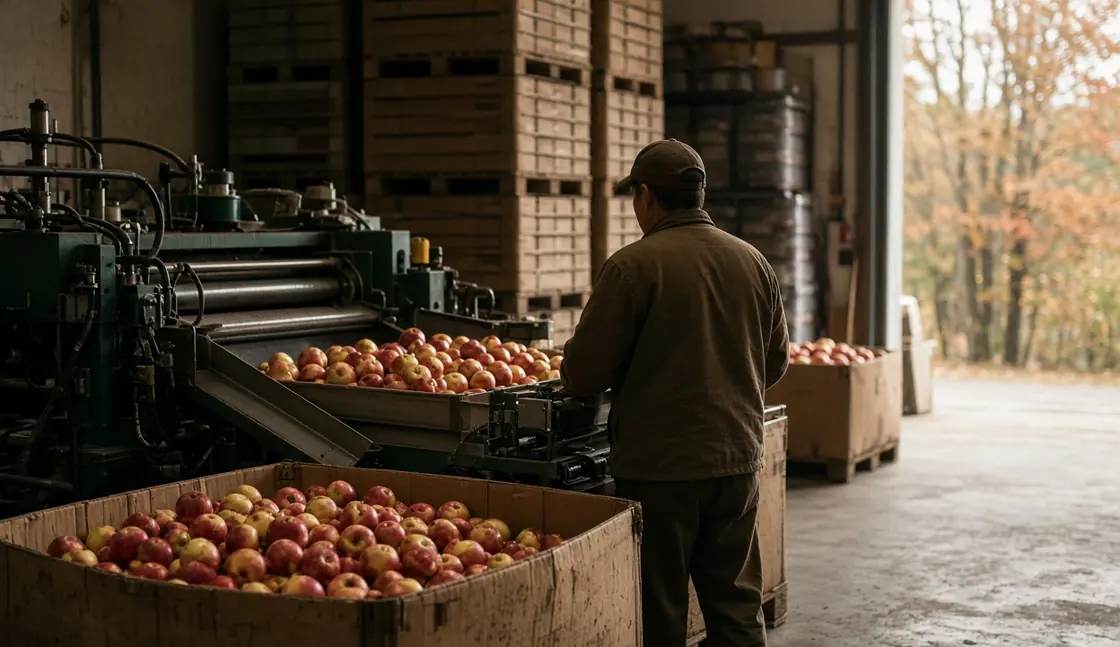
Apples once followed a short path from autumn tree to nearby table. Commercial harvest still runs roughly from August through November in many Northern Hemisphere regions, but rapid cooling, refrigerated rooms, controlled-atmosphere storage, and freight now keep the produce aisle stocked through spring or summer.
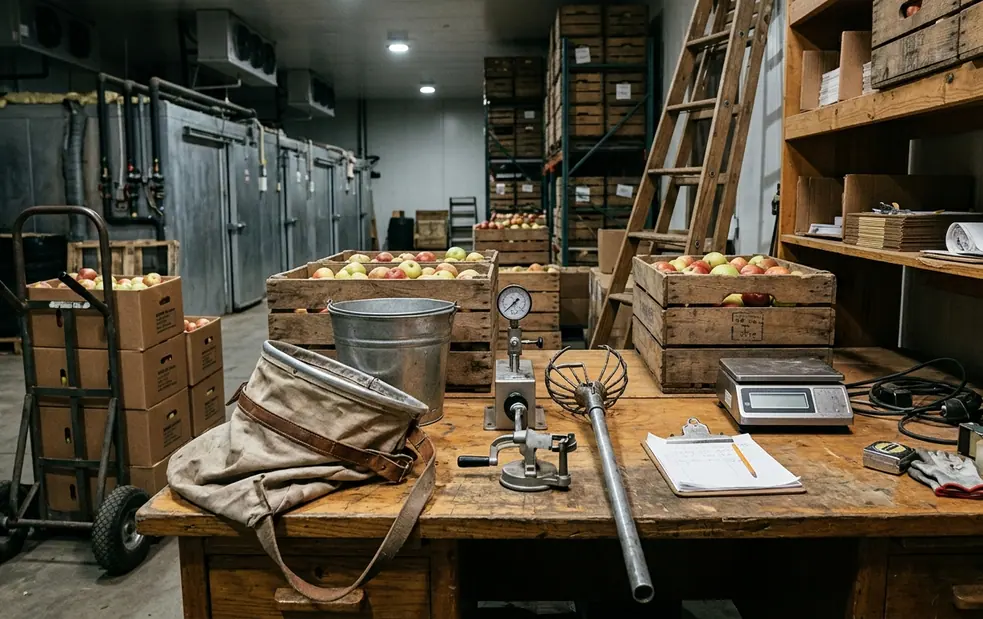
A regional apple may reach a store within 1–7 days. Another apple from the same orchard can appear 4–9 months later after spending most of that interval under refrigeration. The orchard-cooler-bin sequence explains the difference: picking maturity establishes aroma potential, cold rooms slow the clock, freight adds handling, and the cutting board reveals what remains.
Choose By Use
Seek local, in-season fruit for fragrance and snap. Choose sound stored fruit for winter lunches and cooking. Imported apples become practical when regional trees are dormant and nearby storage stock has faded.
What Picking Date and Cultivar Lock In Before Storage Begins
Storage can preserve an apple’s potential; it cannot create maturity that the fruit never developed. Before harvest, starch begins converting to sugar, acidity shifts, seeds develop, background color changes, and aroma compounds gather. Growers read those signs when deciding whether a block suits immediate sale or a long hold.
Early Picks and Tree-Ripe Fruit
Earlier-picked apples generally retain structure longer in storage, although their aroma may remain restrained. Fruit allowed to mature further on the tree offers fuller flavor and a shorter useful life. A commercial block may require two or three picking passes across a 7–21-day window because shaded fruit and sunlit fruit ripen at different rates.
Cultivar adds another layer. McIntosh tends toward tartness and perfume; Fuji brings dense sweetness; Honeycrisp is prized for a brittle, juicy bite; Granny Smith carries firm flesh and marked acidity. In cooler northern districts, McIntosh commonly comes off the tree from September into early October, while Fuji and Granny Smith may hang into October or November.
Those dates serve as regional clues rather than universal deadlines. Latitude, elevation, weather, and cultivar strain can shift the schedule substantially.
Months in Cold Air Change Texture Before They Change Identity
Once apples leave the tree, storage managers remove field heat and suppress respiration. Ordinary cold rooms chiefly control temperature and humidity. Controlled-atmosphere rooms also lower oxygen and manage carbon dioxide, slowing ripening for cultivars that tolerate the treatment.
Commercial fruit commonly rests near 0–4°C. Controlled-atmosphere oxygen may sit around 1–3%, with the setting adjusted for cultivar and the risk of storage disorders. Cold rooms can support sales for 1–4 months; suitable cultivars under carefully managed atmospheres may remain marketable for roughly 4–10 months.
What the Mouth Notices
- Aroma becomes faint or indistinct.
- Flesh softens, sometimes taking on a dry, mealy texture.
- Skin shrivels after moisture loss.
- The sweet-tart balance tastes flatter.
Nutrition follows a quieter course. Water-soluble vitamins rank among the more storage-sensitive components, while fiber and many minerals remain steadier. For everyday wellness, the practical signal is still sensory: intact, crisp fruit encourages eating; a dull apple often waits in the bowl.
How Far an Apple Travels After It Leaves the Tree
Follow one apple through the chain: harvest bin, orchard or packing-house cooler, grading line, carton, refrigerated truck or ship, distribution center, then produce display. Field heat is commonly removed on harvest day or within 24 hours. Domestic refrigerated trucking may take 1–5 days, while ocean freight between hemispheres can take roughly 2–5 weeks before distribution.
Every handoff introduces pressure and temperature risk. Weight at a stacking point can bruise flesh beneath an apparently sound peel. A break in cooling accelerates softening. Brown patches discovered during slicing may therefore record handling that happened days or weeks earlier.
Footprint follows both time and route. Refrigerated storage consumes energy over months, and long-distance transport adds another demand. Season provides the missing context: a nearby apple in July may have been picked 8–10 months earlier, while Southern Hemisphere fruit sold from April through July may come from a February–May harvest.
The July Clue
Nearby origin does not mean recently picked when last autumn’s crop has remained under refrigeration.
The Produce-Bin Clues That Still Tell You Something Useful
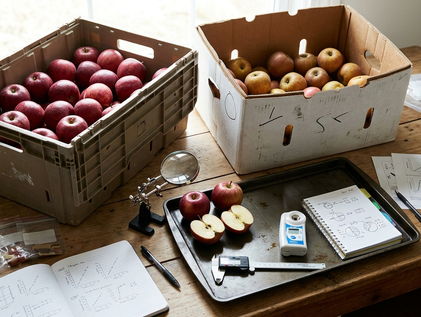
A useful inspection takes 10–20 seconds. Work from touch to sight to smell, handling the fruit gently enough to avoid creating the bruise you hope to detect.
- Press lightly near the shoulder with your thumb. Firm flesh should resist without feeling hard and hollow.
- Inspect the stem cavity for splitting, dampness, or decay.
- Rotate the apple once, looking for taut skin, punctures, and soft spots wider than a fingertip.
- Judge color according to the cultivar rather than expecting every apple to be uniformly red.
- Smell near the stem. Clean apple aroma is welcome; fermented, musty, or cardboard-like odors are reasons to move on.
Labels as Timing Clues
PLU stickers and origin labels help identify variety and likely harvest hemisphere. Treat them as timing evidence rather than moral scores. A wax sheen mostly reflects postharvest handling. Bruises beneath a tall stack say more about pressure than distance alone.
Condensation inside a sealed bag points to a temperature change. If droplets persist after 30–60 minutes at room temperature, check the fruit for dampness or decay. Cut one trial apple within 2–12 hours of purchase; its interior gives you a clearer reading before the rest enter your kitchen rituals.
When Local, Stored, or Imported Fruit Is the Practical Choice
In many northern growing areas, the strongest local shopping window falls between September 15 and October 31. That is the moment to prioritize scent, juice, and a lively sweet-tart finish for raw slices. Seasonal eating feels especially direct here: the fruit requires little preparation beyond a clean knife.
From December through March, stored domestic apples often become the sensible pantry choice. Dense keepers suit weekday lunches, while firm, acidic cultivars carry sauces, pies, and sautés. A quieter stored apple can still bake beautifully if its flesh holds shape.
Match the Apple to the Next Meal
- Fresh eating: prioritize snap and a clean aroma.
- Cooking within 1–3 days: choose firm fruit with sound skin and a cultivar suited to heat.
- Snacking over 7–21 days: buy a dense keeper and inspect the bag twice weekly for soft fruit.
- Out-of-season shopping: consider recently harvested imported fruit when regional storage apples have become dull.
Skip fruit that already feels mealy or smells stale, regardless of its origin story. Mindful sourcing works best when it includes the meal ahead, rather than treating mileage as the sole measure of quality.
One October Afternoon at the Orchard Crate
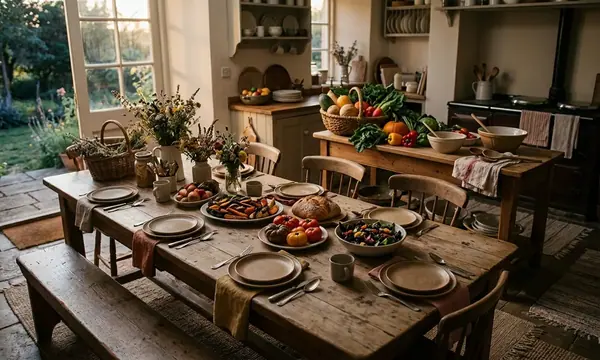
At a Saturday orchard stand in late October, wooden crates sit beneath a canvas awning. A McIntosh lifted from the top layer carries a distinct apple-and-leaf smell. At home, the knife breaks its thin skin, and juice runs across the board as the room fills with tart perfume.
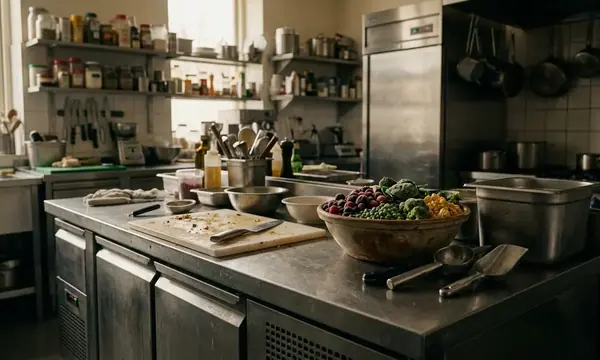
In March, a shiny supermarket apple reaches that same board. Its scent is quieter and its bite less vivid after months when refrigerated storage and repeated handling are plausible parts of the journey. The flesh remains sound.
The next evening, it is cut into 1–2 cm pieces and tipped into a warm skillet. After 8–15 minutes, the pieces soften into an acidic sauce beside supper. The October McIntosh earned its place by the slice; the March apple found its moment in the pan, steam rising as the spoon crossed the skillet.