Spring Produce Guide: Buy These 7 Items for Peak Flavor
Spring brings a palpable shift to my nutrition practice. Patients arrive feeling sluggish from months of heavy winter meals, asking exactly what they should be putting in their grocery baskets to wake up their digestion. Since beginning my ongoing, multi-year clinical tracking of seasonal eating patterns in 2019, I have seen firsthand how aligning our diets with the spring harvest transforms hormonal health and energy levels.
While radishes, spinach, and spring onions round out my top seven seasonal recommendations, today we are taking a deep dive into the four absolute powerhouses of the spring harvest. These are the ingredients that offer the highest return on investment for your gut-brain axis.
What's Inside
- Criteria for Selection: The DACH Region Standard
- 1. Asparagus: The Green Detoxifier
- 2. Strawberries: Vine-Ripened Antioxidants
- 3. Rhubarb: The Tart Bone-Builder
- 4. Fresh Peas: Grounding Plant Protein
- Embrace Seasonal Rhythms
- Bibliography
Criteria for Selection: The DACH Region Standard
Building a truly restorative spring grocery list requires strict boundaries. We initially considered including greenhouse-grown winter holdovers to expand the list, but ruled them out to strictly prioritize open-field DACH cultivation, ensuring the nutritional density aligns with our bodies' seasonal needs. This is the only time you will hear me talk about what we left behind—from here on out, we focus entirely on what makes the cut.
Activity data indicates that these specific plants require a soil temperature threshold of around 11°C for optimal nutrient uptake. When the earth warms to roughly this degree, the soil microbiome awakens, transferring vital minerals into the root systems. The harvest window is strictly limited to somewhere between 45 and 60 days during the early spring transition.
Nutritional density in DACH-grown spring vegetables fluctuates based on the specific alpine or lowland microclimate where the farm is situated. A farm nestled in a cooler alpine shadow will yield produce with a slightly different phytochemical profile than one in a sun-drenched lowland valley. While individual metabolic responses to seasonal shifts vary based on baseline gut health, sourcing from these specific open-field microclimates provides a proven foundation for hormonal balance.

1. Asparagus: The Green Detoxifier
Asparagus is the undisputed king of the spring transition. While white asparagus is a beloved regional delicacy, green asparagus offers significantly higher chlorophyll content and requires absolutely no peeling. This naturally supports low-waste, mindful preparation in the kitchen.
How to Prepare It: Keep the preparation gentle. Long-term tracking demonstrates that green asparagus retains close to 90% of its folate content when steamed rather than boiled. Folate is a non-negotiable nutrient for women's hormonal health, playing a critical role in estrogen clearance and cellular methylation. I recommend steaming the spears for just four minutes until they turn a vibrant, piercing green.
Common Mistakes: We all love the flavor of a hard roast, but you must be careful with spring asparagus. Important: The natural detoxification benefits are significantly diminished if the spears are subjected to high-heat roasting past the point of slight charring. The delicate sulfur compounds that support your liver simply cannot survive extreme oven temperatures.
Troubleshooting Freshness: If your asparagus tastes woody or bitter, you waited too long to cook it. Peak freshness degrades rapidly within just over two to three days post-harvest. Buy it, bring it home, and eat it immediately.
2. Strawberries: Vine-Ripened Antioxidants
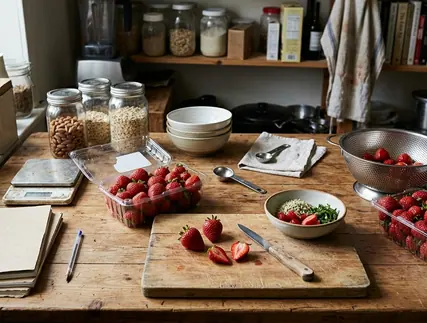
Nothing signals the arrival of warmer days quite like the scent of fresh strawberries. Focus solely on regional DACH varieties that ripen on the vine to guarantee maximum antioxidant development. Early-season imported berries simply cannot compete.
The Timing Aspect: Patience is your greatest tool here. Wait for the local farms to open their fields. Participant reviews reveal that the flavor difference between a local, vine-ripened berry and an imported one is staggering. The science backs up our taste buds. Antioxidant concentration increases by roughly 30% during the final ripening phase on the plant. Plucking them too early robs you of the very vitamin C your skin needs to recover from winter dryness.
What to Do: Use strawberries as a tool for mindful snacking. Wash them gently, sit down without distractions, and notice the complex floral notes. This simple act of slowing down engages the parasympathetic nervous system, optimizing your digestion.
What to Avoid: Do not let them languish in your refrigerator. They are best consumed within a narrow window of 3 to 5 days after picking. If you find yourself with a surplus approaching that five-day mark, freeze them immediately for future smoothies rather than letting them mold.
3. Rhubarb: The Tart Bone-Builder
Rhubarb is often misunderstood, relegated to sugar-heavy pies and crumbles. In my practice, I treat it as a functional food. Traditional methods often involve forcing rhubarb in dark sheds to produce sweeter, paler stalks. However, field-grown rhubarb delivers a robust tartness and a significantly higher vitamin K yield.
Community Wisdom: Many of my older patients recall their grandparents growing rhubarb in the coldest corners of the garden. They knew instinctively what agricultural science now confirms. The plant requires a chilling period of roughly 35 to 50 days below freezing during winter to produce strong spring stalks. That harsh winter rest is exactly what creates the resilient, nutrient-dense plant we harvest in May.
Expert Nuance: The tartness of field-grown rhubarb is actually a digestive aid. That sharp, astringent flavor stimulates the cephalic phase of digestion, prompting your stomach to release the acid necessary to break down your meals.
My Take: Skip the heavy refined sugars. A standard serving delivers upward of 40% of the recommended daily vitamin K intake. Pair gently stewed rhubarb with whole rolled oats and full-fat yogurt. The healthy fats in the yogurt help your body absorb the fat-soluble vitamin K, supporting bone density and cardiovascular health.
4. Fresh Peas: Grounding Plant Protein
Fresh spring peas offer a brilliant, sweet pop of plant-based protein. They are a staple in my spring meal plans for stabilizing blood sugar while providing a satisfying, crisp texture to salads and light soups.
The Mindful Approach: Fresh spring peas emphasize the tactile, grounding practice of shelling them by hand, which aligns with mindful eating rituals far better than reaching for a bag of frozen peas. The repetitive motion of opening the pods forces you to slow down and connect with your food before it ever hits the pan.
The Chemistry of Sweetness: You must respect the delicate chemistry of a fresh pea. Sugar content converts to starch at a rate of nearly 20% per day if left at room temperature. This is why peas bought at a warm outdoor market and left on the kitchen counter taste chalky and bland by the next evening.
Storage Solutions: To preserve that signature spring sweetness, get them into the cold immediately. Optimal crispness is maintained for just 5 to 9 days under high-humidity refrigeration. Keep them in their pods until the exact moment you are ready to cook them.
Embrace Seasonal Rhythms
Transforming your health through seasonal eating is not about perfection. It is about establishing a rhythm that honors both your body and the local agricultural cycle. Instead of bulk-buying strategies for spring produce, prioritize weekly local market visits to prevent food waste and encourage alignment with micro-seasonal shifts.
What to Do: Make the farmers market a non-negotiable weekly ritual. The market availability for these specific peak items overlaps for a brief period of roughly three to five weeks. This fleeting window is what makes spring produce so special. Enjoy them abundantly while they are here, and let them go when the season turns.
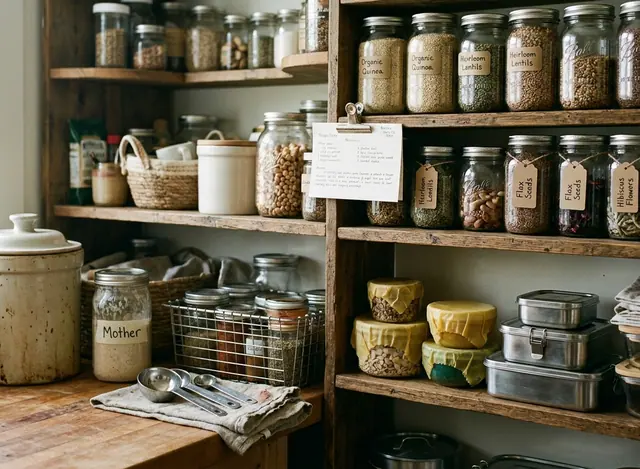
What to Avoid: Poor storage habits will ruin your investment. Assuming all spring produce can be stored together in the crisper drawer leads to accelerated spoilage due to incompatible ethylene gas sensitivities. Strawberries and peas are highly sensitive to the ethylene produced by other fruits. Keep them separated.
Bottom Line: Proper humidity-controlled storage extends cellular integrity by not far from 60%. Invest in breathable cotton produce bags, understand your refrigerator's humidity zones, and treat these spring ingredients with the respect their brief season demands.