Late-summer light is still on the counter when she tips the market bag. Chard stems knock against dry lentils. Tomatoes roll toward two lemons and a pair of bell peppers. The afternoon dragged—heavy limbs, foggy focus—and dinner has one job: hold her energy through the evening without a complicated plan.
She builds the plate in three passes. Lentils simmer until tender. Chard folds in for the final few minutes. Chopped tomato and lemon juice go on after the pot leaves the heat. That is the whole verdict in plain language: plant iron absorbs best when three habits stack—pair the iron food with vitamin C in the same meal, time known blockers away from that plate, and use simple prep that softens mineral-binding compounds.
What follows is a practical how-to for shopping well and cooking with the seasons, not a rigid overhaul. Small combinations beat supplement talk for everyday kitchen rituals.
What's Inside
- Why plant iron needs a dinner partner
- Bright acid pairings you can finish in under a minute
- What quietly crowds iron off the same plate
- Soak, sprout, and simmer routines
- Seasonal plates with a three-move check
- The one pairing rule worth protecting
Why Plant Iron Asks for a Dinner Partner
I stopped grading spinach, beans, or seeds in isolation years ago. The plate as a whole decides more than any single “hero” ingredient.
Beans, lentils, leafy greens, seeds, tofu, and fortified grains offer non-heme iron. Uptake shifts with what sits beside that food—vitamin C can help, while polyphenols, phytate, and calcium can get in the way. Useful sources include lentils, chickpeas, white beans, pumpkin seeds, cooked greens, iron-fortified cereals, and enriched grains. For fortified products, package labels remain the most reliable guide because amounts differ by brand.
Vitamin C needs to share the same eating occasion, generally a meal lasting somewhere between twenty minutes and an hour, because its useful role happens while non-heme iron is being released and prepared for intestinal uptake. Steady energy grows from that consistency more than from chasing one superfood.
Food pairing supports routine nutrition. It does not diagnose or treat iron deficiency. Persistent fatigue, shortness of breath, unusual weakness, or confirmed low ferritin still calls for clinical assessment rather than tighter meal rules.
For a clear consumer overview of iron forms and needs, the NIH Office of Dietary Supplements iron fact sheet is a solid reference point.
Pair Every Iron-Rich Bite With Something Bright and Acid
Start with the iron food. Then scan the counter for a vitamin-C finish that takes less than a minute.
Citrus, berries, kiwi, tomatoes, bell peppers, cabbage, or a squeeze of lemon or lime all work when they land on the same plate. Concrete pairings I reach for again and again:
- Lemon over lentil soup
- Strawberries beside a spinach salad
- Roasted red peppers with chickpeas
- Tomato salsa on black beans
- Orange segments next to a warm farro bowl with greens
Add citrus juice, raw tomato, cabbage, berries, kiwi, or bell pepper at serving time. Vinegar brings acidity and brightness, yet it supplies little vitamin C, so a vinegar-only dressing is not a stand-in for lemon juice or fresh pepper when absorption is the goal.
Build the habit without redesigning the menu. Finish the plate with acid—a dressing, a wedge, a quick pickle—rather than rewriting every recipe. Refrigerate cut citrus and chopped peppers at 40°F/4°C or colder within two hours. Keep two or three days of citrus wedges and three or four days of chopped peppers ready, and weekday finishing takes thirty seconds or so.
Plate Finish Fast
Iron base first. Bright produce second. If nothing fresh is open, a lemon wedge from the fridge still counts.
What Quietly Crowds Out Iron on the Same Plate
Once the iron-and-vitamin-C plate is set, drinks and calcium-heavy sides move around it. Timing matters more than total avoidance.
Tea and coffee polyphenols can bind non-heme iron during digestion. Place those drinks an hour or two before or after the meal when maximizing absorption is a priority. A fortified plant-milk latte or a large yogurt serving can shift to another eating occasion the same way.
Picture a lunch of spinach, chickpeas, and cheese followed immediately by espresso. Keep the chickpeas and greens. Add tomato or citrus. Move either the espresso or the calcium-heavy side to a snack an hour or two later. Favorite foods stay in the week; they simply stop stacking on the same bite when midday energy is the priority.
Large amounts of unsoaked bran-heavy foods competing in one sitting can also crowd the mineral story. Enjoy them—just give the iron plate a little room.
Stacked Lunch Trap
Spinach salad, cheese, and espresso in one sitting is a common energy drain. Separate the coffee or the calcium side by an hour or two and keep the greens.
Soak, Sprout, and Simmer to Free More Mineral From Plants
Weekend batch work is where prep earns its keep. Soaking, sprouting, and thorough cooking can reduce phytate while improving texture and digestibility.
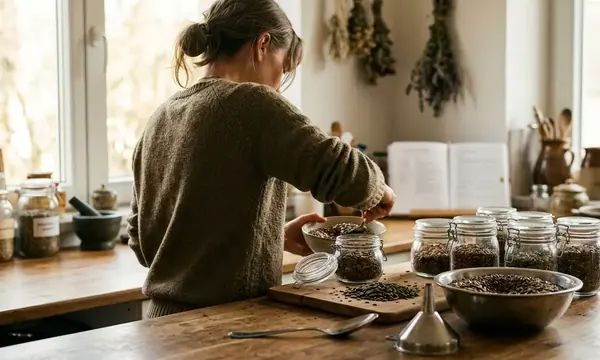
Chickpeas get an overnight soak: eight to twelve hours, then drain, rinse, cover with fresh water, and simmer an hour to ninety minutes until creamy. Most brown or green lentils go straight into the pot and cook in twenty to thirty minutes without soaking. For sprouted lentils, rinse and drain every eight to twelve hours for two to three days, refrigerate promptly, and cook before serving. Sprouting stays optional—useful on weeks when you already enjoy that rhythm.
A simple weekend routine looks like this: soak chickpeas or set lentils on the stove, cook a pot, cool, portion, and plan a vitamin-C partner for weekday bowls before the containers hit the fridge. When cooked legumes are already refrigerated, a workable dinner comes together in ten or fifteen minutes.
Cast-iron cookware can be an everyday helper for acidic sauces and stews. An acidic tomato stew may simmer in cast iron for twenty to thirty minutes and pick up some iron from the pan, though the amount varies with acidity, moisture, and pan condition. Treat the pan as a quiet bonus, not a gadget you must buy to make the method work.
Seasonal Plates That Keep Energy From Dipping Midday
Each plate below uses the same visible three-move check: iron base, bright acid partner, blockers moved off-plate or to another hour. Seasonal availability shifts by climate and storage, so keep the structure even when the calendar produce changes.
Spring lemony lentil and greens bowl
Brown or green lentils form the base with spinach, chard, or beet greens. Lemon juice and a handful of shredded cabbage finish the bowl. Tea waits until mid-morning or late afternoon. From dry lentils, plan about twenty to thirty minutes; with cooked lentils already on hand, assembly drops to roughly ten minutes. Wash and slice tender chard stems for a quick five-minute sauté so nothing from the bunch goes to waste.
High-summer tomato-pepper bean bowl
Chickpeas or black beans sit under roasted or raw bell peppers and chopped tomato. A squeeze of lime or a few orange segments adds another bright note. Coffee moves to a mid-morning cup away from lunch. Buy peppers and tomatoes that look alive at the market—glossy skin, firm shoulders—and cook stems and leaves from any greens you bring home the same week.
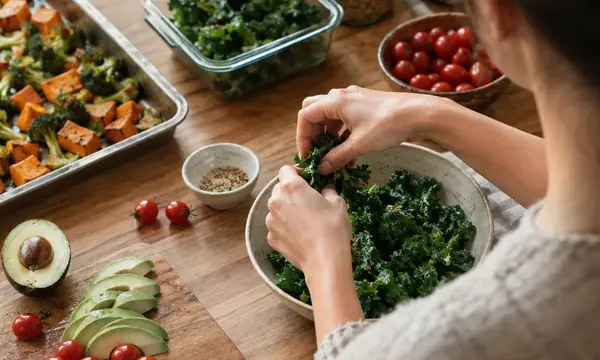
Cool-weather citrus-kale and white-bean stew
White beans and chopped kale simmer into a thick pot. Orange segments or lemon juice go on at the table, and frozen citrus zest from earlier in the season wakes the broth. Freeze zest in a sealed container for up to three months for dressings and stews. With canned or previously cooked beans, the stew takes about half an hour. Yogurt or a calcium-fortified latte can wait for a later snack.
Seasonal three-move plates at a glance| Seasonal plate | Iron base | Bright partner | Blocker timing | Tonight method |
|---|---|---|---|---|
| Spring lemony lentil and greens bowl | Brown or green lentils with spinach, chard, or beet greens | Lemon juice, shredded cabbage | Tea an hour or two away | Simmer lentils; fold greens late; dress off heat |
| High-summer tomato-pepper bean bowl | Chickpeas or black beans | Bell pepper, tomato, lime or orange | Coffee between meals | Warm beans; top with raw or roasted peppers |
| Cool-weather citrus-kale white-bean stew | White beans with kale | Orange segments, lemon, reserved zest | Yogurt or latte later | Stew about half an hour; finish with citrus at the table |
A cooked-legume bowl often assembles in ten minutes or so once the beans are ready. That speed is what keeps wellness grounded in real groceries instead of aspirational menus.
Market Alive Test
Choose produce that still looks vivid. Cook the stems. Freeze the zest. The three-move structure travels with you even when the season shifts.
Keep One Pairing Rule Non-Negotiable
If you only keep one habit, put vitamin C on every iron-rich plant meal. Everything else is refinement.
I rank the habits rather than treating them as equal chores. The bright partner is immediate and easy to see on the plate. On low-energy days, timing tea, coffee, and heavy calcium an hour or two away from that plate is the second lever worth protecting. Soak-and-simmer prep deepens the mineral story over the week, yet it never replaces the pairing you can finish in thirty seconds.
Use a final plate check: name the iron source, point to the vitamin C food, and confirm tea or coffee sits on another hour. Repeat the pairing at the main iron-containing meal each day for a stretch of a week or two before deciding whether the habit fits your kitchen. Symptom changes are not a substitute for iron testing when clinical questions remain.
Treat the rule as a gentle daily ritual of care. Lemon on the lentils. Tomato on the beans. Pepper beside the greens. Tonight, before the pot leaves the heat, set a wedge of lemon on the cutting board so it is already there when the lentils are done—that single non-negotiable pairing is the practice I stand behind for plant-forward plates that actually hold your energy.