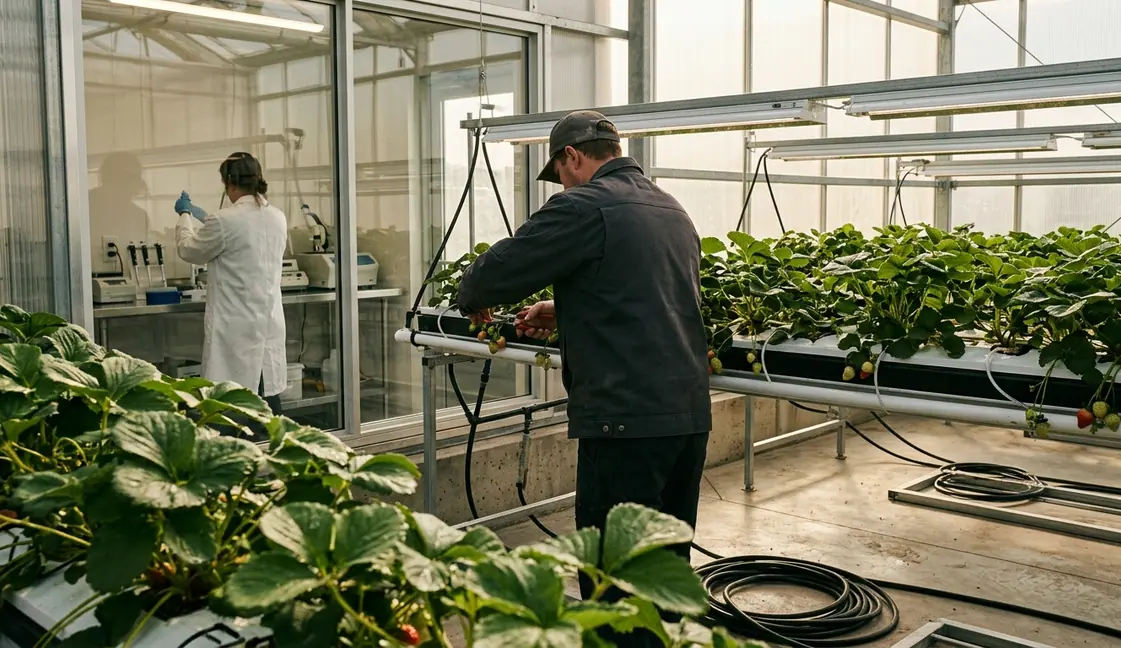
Key Takeaways
I often hear clients worry that winter produce is entirely devoid of nutrition. That is not quite true. Minerals, fiber, and total calories do not fall in the same way vitamin C or folate can, so "less nutritious" should not be applied to every nutrient in an imported fruit or vegetable.
But certain vitamins are highly vulnerable to time. Vitamin C in leafy greens, broccoli, berries, peppers, and tomatoes continues to oxidize after harvest because plant respiration and enzyme activity do not stop when produce is picked. Imported fresh produce commonly spends 3 to 21 days in harvest, packing, refrigerated transport, distribution, and retail display before a shopper eats it. Air-freighted items sit at the low end, while sea-freighted items sit at the high end.
Produce held near optimal cold-chain temperatures, often 0 to 5°C for leafy greens and brassicas, usually retains sensitive vitamins better than produce exposed to repeated warming during loading docks, retail misting areas, or home transport.
Bottom Line: Frame your shopping strategy around nutrient vulnerability rather than distance alone, separating storage-sensitive nutrients from more stable compounds.
How Transport and Storage Erode Nutrients
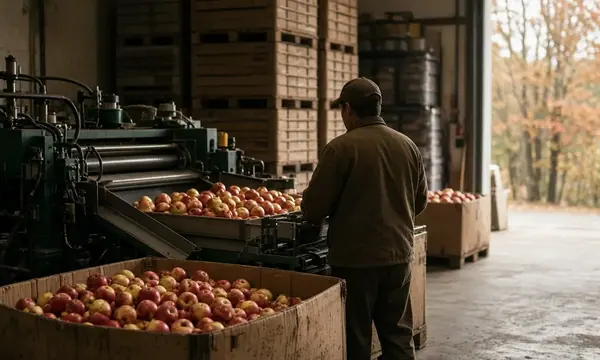
Consider the journey of a winter vegetable. A realistic path for imported fresh produce involves harvest and field heat removal within 0 to 24 hours. Packing takes another 1 to 2 days. Refrigerated transport spans 2 to 18 days, followed by wholesale handling for 1 to 4 days, and finally retail display for 1 to 7 days. Every step is a decision point—and every hour counts.
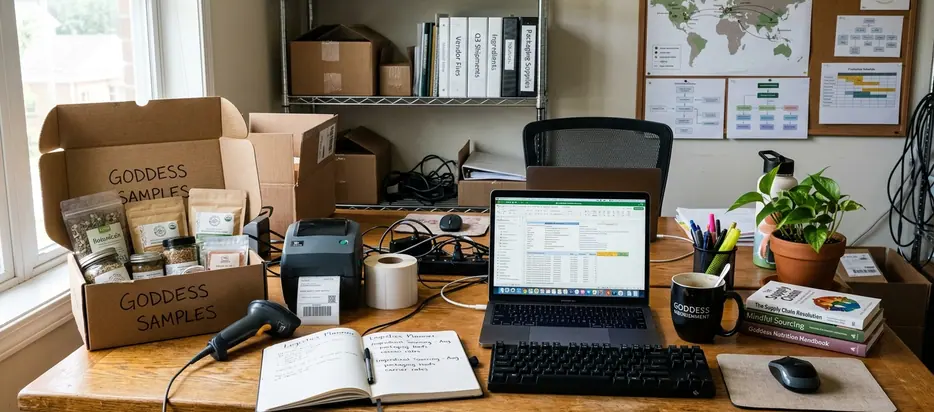
Vitamin C is especially sensitive to oxygen, heat, cut surfaces, and time. Intact produce loses it more slowly than chopped, bruised, or pre-cut produce because fewer cells are exposed. Temperature control is paramount. For many leafy vegetables, recommended commercial storage is 0 to 5°C with high relative humidity. A display case or home refrigerator running closer to 7 to 10°C shortens practical freshness and speeds yellowing.
Tomatoes are often harvested at the mature-green or breaker stage for shipping, then ripened with ethylene for 1 to 3 days. Vine-ripened fruit accumulates color compounds while still attached to the plant, whereas postharvest ripening relies on stored carbohydrates and controlled gas exposure.
Seasonal Harvests Compared to Imported Crops
Comparing seasonal and imported crops requires matching crop type, maturity stage, and handling route. Assuming "local" always wins is a mistake. A local vegetable left unrefrigerated on a sunny market table for 6 hours can lose quality faster than an imported vegetable kept continuously cold.
The stronger comparison is an August field tomato harvested red against a January greenhouse import. Lycopene in tomatoes rises as fruit turns from green to red. Tomatoes harvested red or near-red in peak season generally have more opportunity for carotenoid accumulation than mature-green tomatoes ripened later in a warehouse.
A peak-season local tomato may move from farm harvest to market basket in 1 to 4 days when sold through a regional farm stand, community-supported agriculture box, or farmers market. A winter tomato shipped across regions commonly moves through picking, packing, refrigerated transport, repacking, wholesale distribution, and retail display over 7 to 21 days before purchase.
Long-term tracking shows that beta-carotene is not equally fragile across crops. Carrots and winter squash can hold carotenoids well in cool storage, while leafy greens and broccoli are more vulnerable to pigment and antioxidant decline during 5 to 14 days of storage.
Practical Steps for Nutrient-Focused Choices
How do we turn this evidence into shopping decisions? Rank your choices based on handling and harvest times.

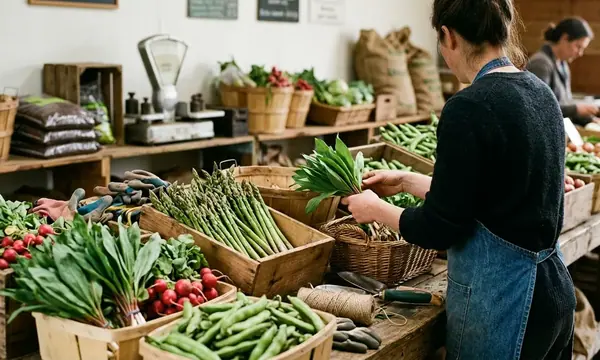
- Prioritize peak-season local fresh produce. Farmers market produce is most nutrient-protective when the grower harvested it within 0 to 3 days and kept greens shaded, cool, and hydrated before sale.
- Select frozen produce when peak fresh is unavailable. Commercial frozen vegetables are typically blanched, cooled, and frozen soon after harvest. Blanching can reduce some heat-sensitive vitamins, but freezing at low temperatures is a proven method to slow further degradation for months. Frozen produce may outperform off-season fresh produce when the fresh item has traveled for 10 to 21 days and then sat in a home refrigerator for several more days.
- Check origin labels. This helps estimate the handling burden. A neighboring-state crop may involve 1 to 3 days of trucking and distribution. An intercontinental crop may involve 10 to 28 days of ocean freight plus port and warehouse handling.
A common mistake is treating all vegetables the same in your crisper drawer. Carrots, potatoes, onions, apples, cabbage, and winter squash are storage crops; they do not behave like berries, spinach, asparagus, or fresh herbs. Eat delicate greens, berries, herbs, and asparagus within 1 to 4 days of purchase. Sturdier items tolerate longer storage with smaller quality changes.
Field Note: Inspect raw items for nutrient-loss signals tied to age and handling, such as yellowing leaves, soft spots, wrinkled skins, dull cut stems, excess moisture in bags, and off odors.
What Will You Choose at the Market?
Winter shopping requires weighing convenience against measurable nutrient trade-offs. Consider how your sourcing aligns with your wellness goals.
A practical winter decision is to compare three options for the same meal: imported fresh berries eaten within 1 to 2 days, frozen berries kept sealed until use, or an in-season local fruit such as citrus or apples. If a vegetable will be cooked into soup, stew, curry, or sauce, frozen spinach, peas, broccoli, or peppers can be a nutrient-focused substitute for fresh produce that has already spent 7 to 14 days in the supply chain.
When you stand in the produce aisle this week, looking at a clamshell of imported strawberries next to a bag of frozen local berries, which one will you put in your cart?