The Tuesday Evening Freezer Aisle Verdict
I often find myself staring through fogged freezer glass at the end of a long Tuesday. Stacked bags of blueberries and peas hum quietly in the case. They offer a stark contrast to the tired bunch of fresh greens sitting limp in the wet rack a few aisles over. I abandoned the strict fresh-only rule long ago. Frozen fruit and vegetables belong as staples in a nourishing kitchen when you shop the bag with the exact attention you give the fresh bins.
The decision to let a frozen bag earn its keep comes down to a few specific factors: how soon the produce was frozen after harvest, how you plan to cook it at home, how much waste it prevents, and what the packaging admits about ingredients and handling.
Before choosing a bag, turn it over. Check the product name, the ingredient list, the country of origin when declared, and the best-quality date. Look for any warning that the contents require cooking before eating. You can then plan the purchase against the upcoming Sunday-to-Thursday cooking window. Assign berries for breakfasts, peas or spinach for quick additions, and florets for a dedicated skillet or sheet-pan meal.
Measuring the Harvest Inside the Bag
The nutrition judgment begins before you even reach the freezer aisle. Produce destined for freezing is commonly processed near harvest. Produce sold fresh spends considerable time in storage, transport, retail display, and your home crisper. The useful comparison evaluates frozen produce against fresh items that have sat in transit. We measure it against the reality of the crisper drawer.
USDA MyPlate vegetable guidance includes fresh, frozen, canned, and dried forms within the vegetable group. Unsauced frozen vegetables count toward ordinary vegetable intake, making the freezer case a legitimate way to fill the plate. Commercial vegetables are usually blanched briefly before freezing to slow enzyme activity.
Preserving the Plate's Integrity
At home, you preserve those benefits by adding frozen spinach to soup for the final three to five minutes. You steam peas just until hot. Boiling them in excess water and draining away the cooking liquid washes away water-soluble vitamins.
For a reliable staple, look for a straightforward ingredient list such as "blueberries" or "peas." Avoid blends led by sauce, added sugar, butter, or sodium-containing seasoning. Freezing changes cell structure. Thawed cucumber-like or other water-heavy vegetables soften and lose the crisp texture of raw fresh produce. Direct these watery vegetables to cooked dishes, sauces, or soups where their texture integrates naturally.
Bridging the Gap Between Spoilage and Seasonality
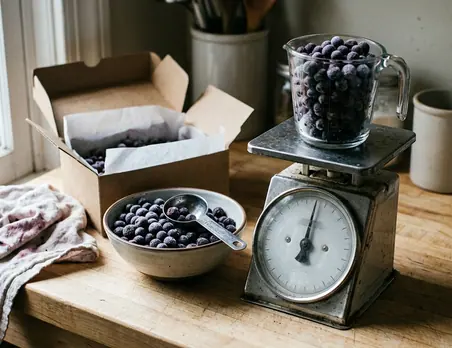
Check what repeatedly spoils in your kitchen before choosing freezer staples. Spinach wilts. Herbs blacken. A berry pint leaks before the planned meal. Shift that recurring use to a resealable frozen bag. You can pour out portions meal by meal. Genuinely seasonal produce remains the first choice when it is affordable and already assigned to a specific dish.
A Sunday purchase easily covers a five-day Sunday-to-Thursday plan without requiring berries, greens, peas, or corn to remain usable in the refrigerator all week. Treat affordability as a form of portion control—measure only what the meal needs. Pour a handful of corn for a sauté, one cup of mango for two yogurt bowls, or half a cup of berries for two oatmeal portions.
Use frozen berries and mango during local off-season months. Reassess your buying pattern when ripe regional fruit returns. That keeps fruit on the table year-round without relying on pale, expensive imports.
Reading the Frost and the Fine Print
Inspection moves in a fixed order. Feel whether the contents remain loose. Look through any clear window for heavy frost. Mindful sourcing requires reading the ingredient panel, identifying the cut and origin information, and choosing the smallest practical bag size.
A solid block or conspicuous interior snow suggests moisture movement or temperature fluctuation—often the result of a sloppy home freezer or supply chain delays. Select a better-kept package instead. Choose bags that are intact, cold, and free of torn seams, large frost deposits, or swollen areas. Pick frozen food near the end of the grocery trip and take it directly home.
Spotting Hidden Additions
A plain bag lists only the named fruit or vegetable. Sauced blends add salt, sugar, oil, cheese, starches, or flavorings that change how the food functions in a meal.
Whole berries and simple cuts like peas, chopped spinach, or broccoli florets make portions and cooking methods easier to predict. Mixed stir-fry medleys often hide tired odds and ends and may not disclose how much of each vegetable the bag contains. Buy one family-size bag only when you will use it repeatedly. Otherwise, choose a smaller multi-use bag instead of several single-serve plastic pouches.
Heat, Evaporation, and the End of Soggy Vegetables
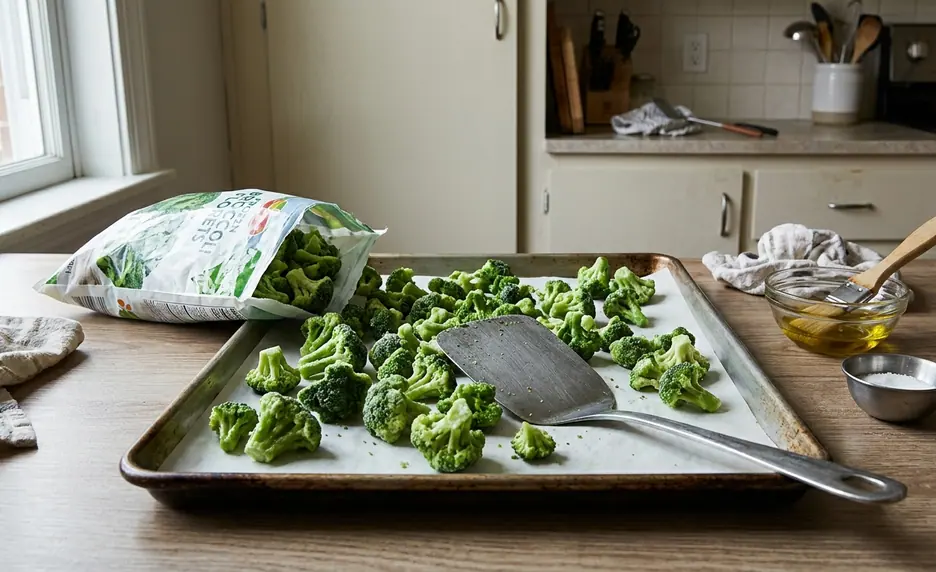
The kitchen method dictates where the released water can go. Give florets and corn broad contact with a hot pan so moisture can evaporate. Drop greens directly into a liquid dish. Keep fruit frozen for oatmeal, yogurt, or blending. Avoid the common soak. Thawing peas, spinach, or broccoli in a colander until they weep, then boiling them, compounds water loss and softens texture.
For broccoli florets, preheat a sheet pan at 425°F. Spread the frozen florets in one layer, add oil and seasoning, and roast for 20 to 30 minutes. Turn them once when the undersides begin to brown. The edges caramelize that way before the centers turn to mush.
For skillet vegetables, heat the empty pan first. Add a single uncrowded layer and leave the pan uncovered until visible surface water has evaporated. Season after evaporation if salt would otherwise draw out more moisture. Stir frozen peas or chopped spinach into soups, lentils, or dal during the final three to five minutes, allowing enough time for the dish to return to a simmer.
Press excess air from an opened bag, seal it, and return it to the coldest freezer drawer immediately. Keep the freezer at 0°F or below and follow package cooking instructions.
A Five-Day Blueprint for the Working Kitchen
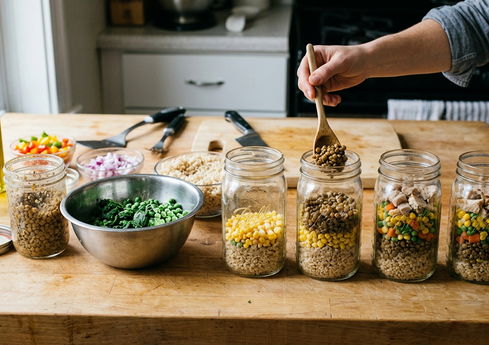
The Sunday shop starts with six mapped uses rather than an open-ended freezer haul. Shop for two people by selecting one bag each of chopped spinach, green peas, broccoli florets, corn, wild blueberries, and mango chunks. Support these with lentils, oats, eggs, olive oil, garlic, broth, yogurt, and beans already at home. The sequence is easy to repeat.
On Sunday evening, inspect packages for ice glaze at the store. Place the frozen bags in one assigned freezer drawer at home and label them with the Sunday-to-Thursday meal window.
Back home, over the next hour or so, start the lentil soup. Preheat the oven and sheet pan. Roast the broccoli for 20 to 30 minutes. Add the spinach and peas to the soup for its final three to five minutes. Portion the berries into a jar so breakfast is already decided.
Monday serves the remaining roasted broccoli with eggs. Tuesday uses blueberries in oats and corn in a bean sauté. Wednesday pairs mango with yogurt and reheats the leftover soup. Thursday finishes the spinach and remaining florets in a dal. By Thursday night, the six bags are empty or close enough to empty that the next grocery list repeats only the items actually used.