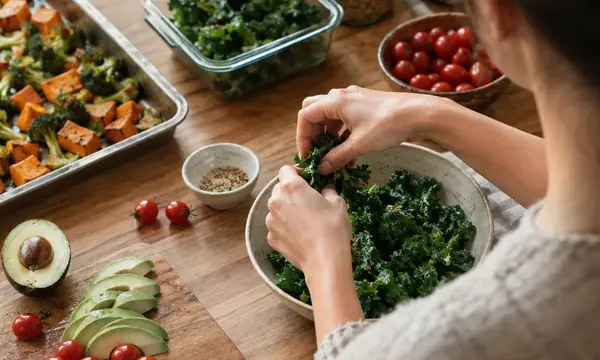
Winter eating asks us to stop pretending the body lives in July all year long. That sounds simple, but I know how strange it can feel in a grocery aisle where strawberries, cucumbers, tender lettuces, and melons still glow under bright lights in January.
The invitation is not to shame imported produce. It is to notice what the season is asking from us: warmth, steadiness, slower cooking, and meals with enough substance to carry us through short days.
What's Inside
- Key Takeaways
- The Illusion of Endless Summer
- Reconnecting With Earth Rhythms
- Physical and Spiritual Alignment
- How to Welcome Winter Foods Daily
Key Takeaways
Winter food does not need to be complicated. In temperate Northern Hemisphere food systems, the cold-season eating window is commonly treated as late November through early March, though frost dates and local storage capacity change the edges. During that stretch, the most supportive meals often look less like smoothie bowls and more like roasted roots, cooked grains, beans, broths, stews, winter squash, and fermented vegetables.
Bottom Line: Let summer fruit be a pleasure when it appears, not the default foundation of every winter meal.
- Year-round summer produce can blur seasonal signals. Berries, melons, cucumbers, and tender lettuces feel light and refreshing, but winter often calls for denser, warmer meals.
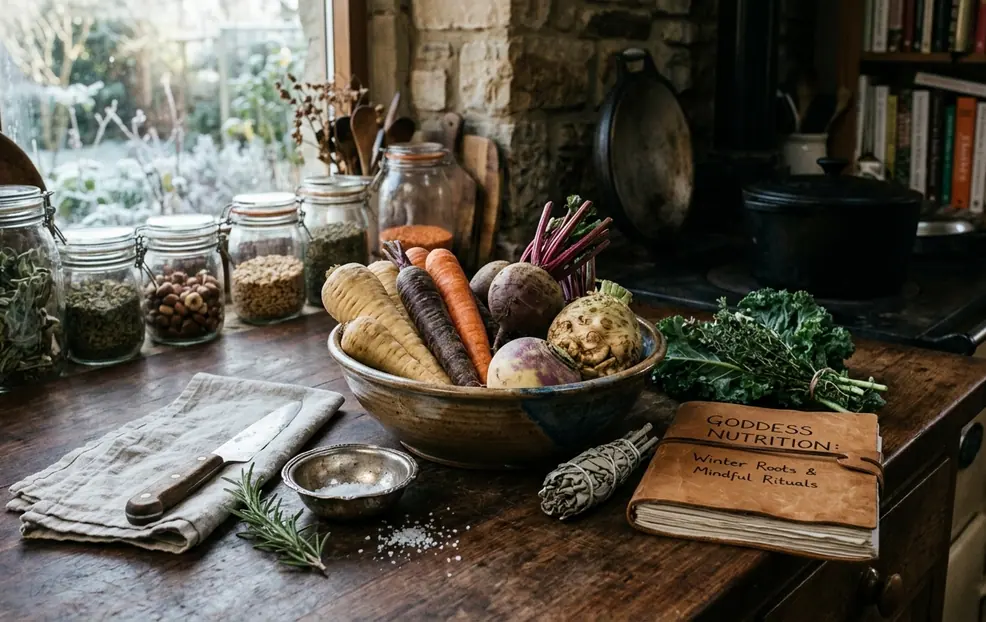
- Storage crops bring grounding nourishment. Beets, carrots, parsnips, rutabagas, sweet potatoes, turnips, onions, leeks, winter squash, dried beans, oats, barley, and fermented vegetables belong at the center of the winter table.
- Seasonal eating can support both body and spirit. The physical side is about nutrient density, warmth, and satiety. The reflective side is about rhythm, presence, and feeling less scattered.
There is one important caveat. This framing fits cold-season and temperate-climate readers best. Winter eating in coastal California, northern Scandinavia, the upper Midwest, and a tropical island will not mean the same basket of foods. Seasonal alignment should follow local harvest, storage crops, cultural foodways, and personal tolerance rather than a single universal menu.
The Illusion of Endless Summer
The modern grocery store is wonderfully useful and a little disorienting. In many places, imported or greenhouse-grown summer-style produce stays visible from December through February, even when those foods are far outside local field season.
I do not treat that as a moral failure. Citrus, bananas, greenhouse greens, and global supply chains can help people eat more plants, especially when local options are limited. The trouble begins when convenience teaches us to ignore the body’s winter appetite.
What convenience can hide
A client once described her winter lunches as “clean but never satisfying.” She was building the same bowl every day: raw greens, cucumber, berries when she could find them, a little vinaigrette, and a few crackers on the side. On paper, it looked virtuous. By late afternoon, she was cold, irritable, and hunting through the pantry.
We did not throw out the salad bowl. We changed its season.
She started with warm barley, roasted sweet potato, lentils, sautéed leeks, and a spoonful of tahini. A few bitter greens stayed, but they stopped carrying the whole meal. That shift felt less glamorous than a glossy fruit plate. It also felt more honest.
Common winter mistakes
- Building meals around high-water foods when the body is asking for warmth and density.
- Using raw salads as the main meal day after day, then wondering why cravings arrive at night.
- Treating winter roots as side dishes only, instead of making them the base of bowls, soups, and stews.
- Forgetting cooked grains, legumes, broths, and warming spices when planning the week.
Important: Imported produce is not the enemy. The deeper question is whether your daily meals match the season you are living in.
Reconnecting With Earth Rhythms
Shorter days change the way many people want to eat. As daylight contracts from the autumn equinox toward the winter solstice, and as the coldest cooking period settles in from December through February in many temperate areas, the body often asks for cooked food, not because raw food is wrong, but because warmth is comforting and dense meals last longer.
Why roots make seasonal sense
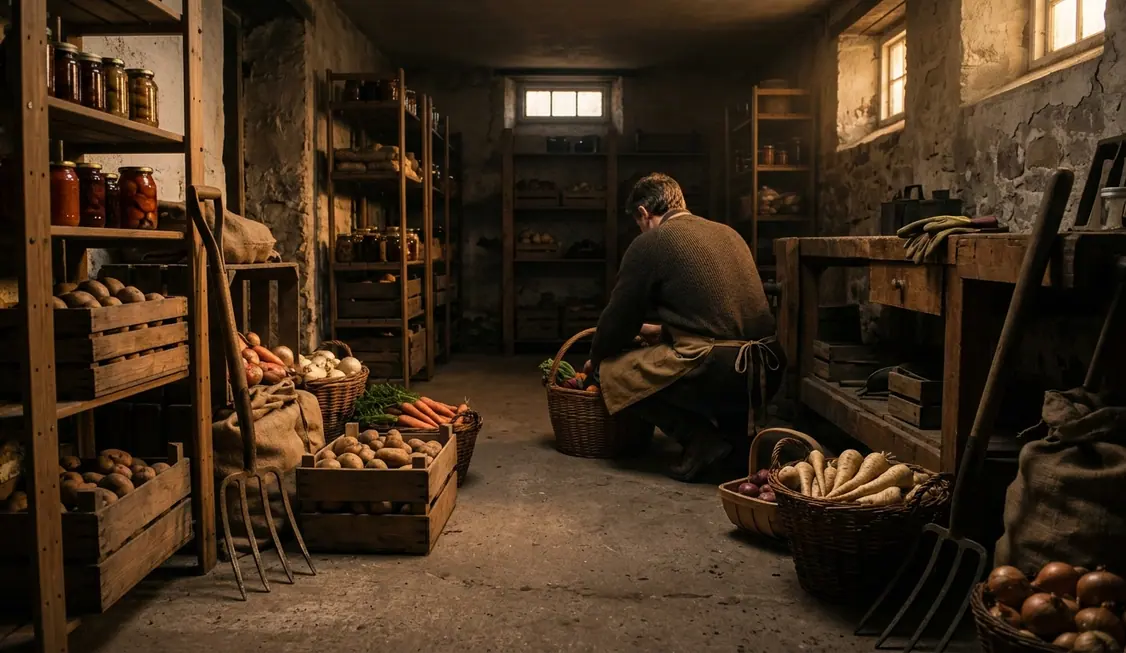
Root vegetables grow and store in a way that feels deeply aligned with winter. They are tucked away. They hold energy. They wait.
On the plate, that translates into steadiness. A bowl with roasted parsnips, beans, olive oil, and winter greens lands differently than a plate of melon and lettuce. The first asks you to sit down. The second may refresh you, but in January it may not anchor you.
A simple winter meal framework
When someone feels overwhelmed by seasonal eating, I ask them to stop looking for a perfect recipe and build from three parts:
- Choose one starchy root or winter squash. Try beets, carrots, parsnips, rutabagas, sweet potatoes, turnips, or squash.
- Add one protein source. Beans, lentils, eggs, fish, poultry, or tofu all work.
- Finish with one fat source. Olive oil, butter, seeds, or tahini helps the meal feel complete and satisfying.
That is the whole structure. From there, you can add broth, cooked grains, herbs, fermented vegetables, or warming spices depending on what you have.
Field Note: If winter meals feel dull, the missing piece is often contrast. Add something bright, salty, creamy, or crunchy before you decide you dislike root vegetables.
Physical and Spiritual Alignment
Seasonal food can be both practical and symbolic. I like holding those two truths apart before bringing them back together.
The practical truth is clear enough: winter roots offer nutrients that matter during low-light months, when many people spend more time indoors and rely on sturdy pantry habits. Beets contribute folate and manganese. Parsnips provide fiber, vitamin C, and potassium. Turnips provide vitamin C, and their greens add calcium, folate, and vitamin K when cooked.
The ordinary vegetables that do quiet work
Beets, parsnips, and turnips are not rare or exotic. That is their strength. They sit in bins without much drama, then become sweet, earthy, and tender with heat.
Roast them at 400°F until tender, usually around 25 to 45 minutes depending on dice size, moisture content, and oven calibration. The edges caramelize. The kitchen smells grounded. Dinner begins to feel like a place to land.
Where the spiritual piece enters
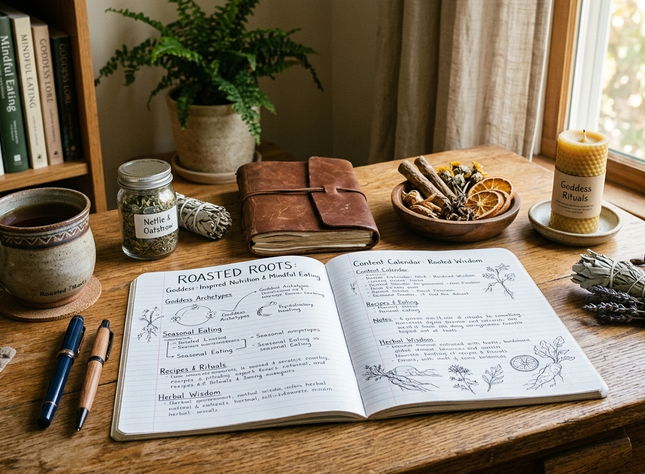
Grounding foods do not need mystical language to be meaningful. A bowl of warm turnip soup can simply remind you to slow down. A tray of roasted beets can mark the end of the workday. A pot of oats with apples and seeds can become a morning ritual that says, “I am here.”
That matters.
In the colder months, many people feel pulled inward. Seasonal cooking gives that inward turn a shape. Chop. Roast. Stir. Taste. Sit. The repetition is modest, but it can steady the nervous system in a way another rushed snack cannot.
Important: A reader with chronic kidney disease, medically restricted potassium intake, or anticoagulant medication may need individualized guidance before increasing high-potassium roots or vitamin K-rich turnip greens.
How to Welcome Winter Foods Daily
The easiest way to eat more winter foods is to lower the drama. Choose two or three vegetables, cook them once, and let them appear in several meals. Repetition is not laziness. In winter, repetition is how the kitchen becomes dependable.
Start with one batch
- Pick your roots. Beets, parsnips, and turnips make a strong starting trio because they taste different from one another but cook well together.
- Cut them evenly. Smaller pieces cook faster; larger pieces feel heartier. Keep the size consistent so the tray finishes at roughly the same time.
- Season simply. Use oil and salt first. Add herbs, garlic, cumin, coriander, or black pepper once you know the vegetables.
- Roast until tender. Let browning happen. Pale roots are fine, but caramelized roots are persuasive.
- Store with care. Refrigerate cooked root vegetables within a couple of hours of cooking and use them within 3 to 4 days.
Turn one tray into several meals
- Add roasted roots to grain bowls with lentils and greens.
- Simmer turnips or parsnips into soup with onions, leeks, broth, and beans.
- Shred raw beets into slaws when you want freshness without making summer produce the center.
- Mash turnips with potatoes for a softer, more familiar side dish.
- Fold roasted vegetables into breakfast with eggs, oats, or leftover barley.
Troubleshooting the winter plate
If beets taste too earthy, pair them with vinegar, citrus, yogurt, or mustard. If parsnips seem too sweet, roast them with onions and a savory herb. If turnips taste sharp, simmer them longer or mash them with potatoes and butter.
If you keep buying roots and letting them soften in the drawer, move them into your first cooking session after shopping. Whole unwashed roots often keep longer in a cool, dark, humid storage area than tender greens or berries, but they still need a plan.
Winter cooking rewards the person who begins before hunger gets loud.
Bottom Line: Seasonal alignment is not a rulebook. It is a practice of asking what your climate, body, culture, and kitchen can support right now.