
The Cooling Lentil Bowl and the Gram Dilemma
Picture a weeknight table where a bowl of lentil stew sits cooling. Steam rises from the surface, carrying the rich aroma of broth and spices, yet a fork hovers just above the rim, paused in mid-air. Beside the bowl, a glowing phone screen demands the exact weight in grams before the first bite can happen. That pause supplies a critical decision point for anyone trying to improve their nutrition. Nutrient tracking can clarify a plate for a short, defined window. Eventually, it starts replacing hunger, pleasure, and trust.
The most effective approach is to time-box the log to a 14-to-21-day observation window. After that period, review whether the practice produced repeatable meal ideas or merely prolonged calculation. Keep the useful cooking lessons, set a firm end date for logging, and return your first-bite attention to aroma, temperature, and the actual experience of eating. The goal is to gather data without letting the database dictate the dinner table.
Extracting Kitchen Lessons From a Short-Term Log
A brief log proves highly useful when cooking habits have shifted and need investigating. Perhaps several dinners lack a clear protein food, most produce has disappeared from the week, or long gaps between lunch and dinner lead to frantic snacking. Treat the tracker as a notebook with a calendar end date, used with curiosity rather than as a moral score for the day.
For 14 to 21 consecutive days, record the meal time, main protein food, fruit or vegetable, starch, added fat, and a brief hunger or energy observation. Attempting to perfect every database entry misses the point entirely. Write cooking notes beside any numbers so the lesson lives in the kitchen. Add notes like 'used canned lentils,' 'greens spoiled before Thursday,' 'liked yogurt sauce,' or 'needed a 4 p.m. snack.'
The 14-Day Kitchen Audit Focus on what you shopped, chopped, and actually enjoyed. The goal is to extract a few repeatable habits, then close the app.
At the final review, select two or three operational changes—for example, cook six eggs on Sunday, buy two frozen vegetables, or place yogurt and fruit at eye level. These small, concrete shifts matter far more than a perfect daily macro score. You build a foundation of reliable meals that support your energy throughout the day.
Recognizing the Unweighed Leftovers Boundary
The stopping decision comes from behavior rather than a supposedly ideal nutrient total. Watch across seven consecutive days for repeated delays before eating. These delays often include weighing a finished dish, searching database listings, or editing portions while the food cools.

A missed entry that triggers guilt, compensation at the next meal, or a need to reconstruct the entire day provides clear evidence that logging has become more than a neutral notebook. Hunger, fullness, and the taste of the meal wait while you finish logging. You check the app before you check your body.
When to Seek Clinical Guidance
Someone tracking nutrients under clinical direction—for example, for diabetes medication adjustment, kidney disease, a diagnosed deficiency, or eating-disorder treatment, should change the plan with the registered dietitian or clinician overseeing that care rather than stopping prescribed monitoring alone. For everyone else, these behavioral tells indicate it is time to close the entries and resume ordinary meals.
Translating Daily Totals Into Reusable Plate Patterns
At the end of the logging window, convert your entries into visible cooking patterns. Translate whatever the log taught you into plate pictures you can cook from. Build three to five reusable plate pictures featuring roughly half colorful vegetables or fruit, a palm-sized protein food, a grain or potato portion that satisfies appetite, and a flavorful fat such as olive oil, tahini, nuts, seeds, cheese, or avocado.
- Weekly Review: Once every seven days, check what ran out, what spoiled, which lunches held through the afternoon, and whether a snack was regularly needed between roughly 3 p.m. and 5 p.m.
- Nutrient Translation: If one nutrient truly needed attention, remember the foods that carried it. Rely on beans or lentils for fiber and iron, yogurt for protein and calcium, dark leafy greens for folate and vitamin K, and oily fish for omega-3 fats.
The Dietary Guidelines for Americans organizes advice around a healthy dietary pattern across life stages, supporting attention to recurring combinations of foods rather than judging one isolated day. Daily nutrient totals are then archived rather than carried into every meal. You learn to trust the structure of your meals to provide what your body requires.
Reclaiming Saturday Morning at the Produce Stall
On Saturday morning, the former entries stay in a retired notebook at home. At the produce stall, a woman chooses tomatoes by smelling the stem end. She selects greens by checking for firm leaves and a clean snap. Her phone remains zipped in her market bag.
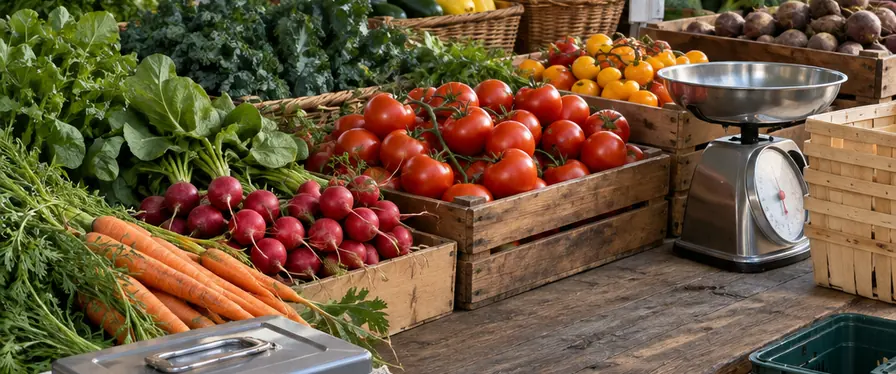
For the first 7 to 14 days after closing the log, use one phone-free meal each day to practice noticing hunger before eating, flavor during the meal, and comfortable fullness afterward. The archived notebook may be reviewed once after 4 to 6 weeks to confirm that the useful grocery and meal patterns remain in place, without restarting daily totals.
The final practiced step is simple. She sits down at the table, notices the vibrant colors on her plate, picks up her fork, and begins eating without reopening the app.