Setting the Rice Beside the Lentils on a Tuesday Night
A wooden table holds a ceramic bowl of steamed rice, a heavy pot of simmering lentils, and a tray of freshly roasted carrots. A bottle of olive oil sits already on the counter, catching the evening light. I hesitate over the rice. The familiar internal dialogue begins to surface, questioning whether the meal really needs the extra component. I set the bowl down beside the lentils anyway. The plate makes the point before any nutrition argument begins: starch, protein, fat, and fiber belong together.
What follows is a record of meals I tried in my own kitchen, documenting a shift in how dinner comes together. This account runs from Tuesday dinner through Friday dinner. The questions at the table are straightforward. Does the meal feel filling? Does energy hold steady between meals? Lasting energy, real fullness, fiber from grains and starchy vegetables, and pairing starch with protein and fat are the few things that actually matter at the table. The old habit of bargaining over carbohydrates fades when you see what a rebuilt plate provides. It offers a sturdy foundation for the hours ahead, allowing you to step away from the kitchen and move on with your evening.
Unlearning the Habit of Subtracting Potatoes and Pasta
I trace the hesitation over that bowl of rice to familiar choices made over many years. Leaving the potato off a dinner plate felt like a necessary subtraction, a way to keep the meal within unspoken boundaries. Ordering a salad without croutons seemed like the default requirement for a midday meal. Calling a bowl of pasta a cheat meal framed the entire dining experience as a transgression. Bread and grains had come to feel like bargains struck against the rest of dinner. Suspicion showed up in these ordinary choices, shaping the way a plate came together and dictating what was allowed to remain.
The resulting dissatisfaction lingered long after the dishes were cleared. Uneven afternoon energy reliably followed a meal that seemed unfinished. A lunch built entirely around greens and lean protein often led to a hollow sensation by three o'clock. A search for something else to eat usually occupied the interval between lunch and dinner. The mind stayed focused on the kitchen cupboard because the body lacked the sustained fuel it required. Thinner satisfaction meant the meal never quite ended, stretching into a series of snacks that failed to resolve the underlying hunger. The recurring choices concerning potatoes, salad croutons, pasta, and bread created a cycle of restriction and subsequent searching, rather than a single, satisfying meal.
Observing Steadier Energy Through Weeknight Kitchen Trials
I make ordinary plates and pay attention to how they feel afterward. Tuesday dinner and Wednesday lunch featured the rice with lentils, roasted carrots, and a generous pour of olive oil. The combination provided a dense, comforting texture that felt substantial. Wednesday breakfast centered on toasted bread topped with eggs and wilted greens. The crunch of the toast offered a sturdy base for the richness of the eggs. Thursday breakfast brought a warm bowl of oatmeal swirled with nut butter to the table. Thursday dinner relied on roasted potatoes served with thick yogurt and olive oil, anchoring the evening with warmth and flavor.
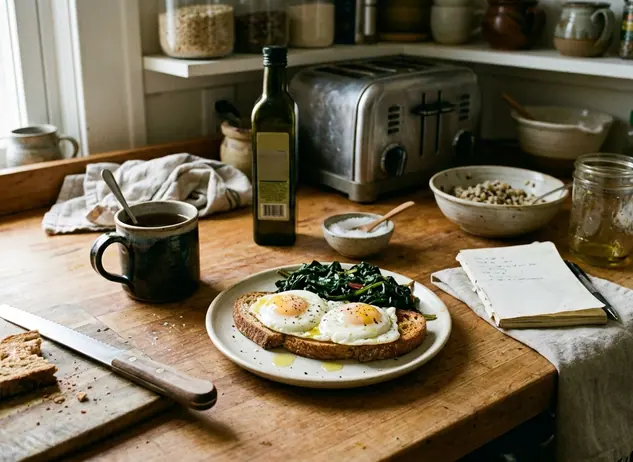
The useful observation across these days is that a recognizable serving of starch, with other satisfying foods beside it, makes the meal feel finished. Steadier energy carried through the afternoon. Fewer trips to the cupboard interrupted the work day. Satisfaction showed up when starch was present in a real portion, rather than as a timid garnish hidden under a mound of greens. The rice-and-lentils plate made the meal feel complete, allowing the mind to focus on tasks other than food. The toasted bread grounded the morning, and the roasted potatoes allowed hunger to settle completely before bed. These qualitative lessons emerged simply by paying attention to the physical sensation of fullness and the quietness of the mind between meals.
The Rapid Return of Hunger After Isolated Meals
Recall meals built mostly from plain pasta, toast eaten by itself, or potatoes served without a protein or fat partner. Hunger returned quickly before the next meal. The plain-toast, plain-pasta, and bare-potato meals led back to the cupboard. The practical limit of the lesson becomes clear in the kitchen. Bringing carbs back requires a partner. What can sit beside the grain, loaf, or potato to make dinner feel complete?
The Missing Satiety Partner
This is an observation about pairing. A bowl of plain noodles digests rapidly, sending a quick surge of energy that dissipates just as fast. The hollow feeling returns because the starch sat alone. Recognizing this dynamic removes the fear from the food. The rapid return of hunger is a mechanical outcome of an incomplete plate. Plain toast eaten on the run fails to sustain energy because it lacks the grounding presence of fat or protein. A bare potato leaves you searching for a snack an hour later. Understanding this shifts the focus from avoiding the starch to finding its proper accompaniment.
Anchoring the Center of the Plate With Protein and Fat
I begin with a grain or starchy vegetable, then add a protein, a source of fat, and a fiber-rich plant food. Beans can do double duty as protein and a source of fiber. The USDA MyPlate grains group includes grains among its everyday food groups, supporting their place in everyday guidance. While this inclusion provides a helpful framework, one Tuesday-to-Friday kitchen record serves as a personal plate rebuild rather than clinical evidence. The practical test here remains how these particular meals come together at home.
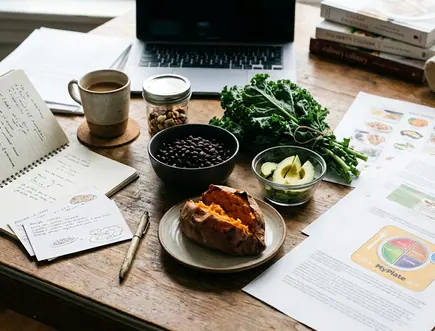
Concrete combinations make this method usable on a busy weeknight. Brown rice pairs beautifully with lentils, greens, and olive oil. Sourdough bread holds beans, greens, and olive oil, creating a fast and filling lunch. A baked sweet potato welcomes yogurt and seeds, blending sweet and savory flavors with contrasting textures. Barley mixes well with chickpeas, roasted vegetables, and tahini. Fiber is present in foods such as grains, beans, and vegetables; in these plates, those foods contribute to a meal that feels complete. They add bulk and slow the digestion process, extending the feeling of fullness.
Weeknight defaults keep the momentum going when time is short. Keep cooked rice ready in the refrigerator for lentils and greens. Put beans on toast for a quick morning meal. Having these components prepared removes the friction from building a balanced plate. The method relies on assembly rather than complex cooking, making it easier to maintain the habit of pairing starch with its necessary partners.
Taking a Second Helping Without the Mental Math
On Friday evening, I reheat the leftover rice with lentils, drizzle on olive oil, and sit at the same wooden table. The steam rises from the ceramic bowl, carrying the scent of the roasted carrots and the rich oil. The kitchen is quiet. When I want more, I take a second helping without bargaining over the rice. The spoon cuts through the layers of grain and legume. Starch on the plate, protein and fat beside it, hunger allowed to finish the bowl.