Key Takeaways
Seed cycling is a gentle, food-based routine designed to support your body's natural rhythms. The sequence was built around the two observable cycle halves—bleeding through the pre-ovulation phase, then ovulation.
Bottom Line: Use flax and pumpkin seeds during the follicular phase, counted from menstrual day 1 through ovulation. Switch to sesame and sunflower seeds during the luteal phase, counted from the day after ovulation through the day before your next bleed. Start with 1 tablespoon total ground seeds daily if your digestion is sensitive, increasing to 2 tablespoons total daily as tolerated.
What Seed Cycling Involves
Many approaches to hormonal health rely heavily on isolated supplements and rigid protocols. Seed cycling takes a different path. It frames cycle support as a repeatable kitchen habit.
The routine uses four whole foods: flaxseed, pumpkin seed, sesame seed, and sunflower seed. The clinical evidence is actually stronger for the specific nutrients found in these seeds than for seed cycling as a standalone protocol. Flax and sesame provide lignans, while pumpkin and sunflower seeds offer essential fatty acids and minerals. By rotating them, you ensure a broad spectrum of nutritional support throughout the month.
Forum feedback confirms that many women find the daily ritual grounding. It forces a moment of cycle awareness into busy mornings. That said, patience is required. A full trial requires tracking at least three menstrual cycles. A single cycle can easily be altered by acute stress, illness, travel, under-eating, or sleep disruption.
When you begin tracking, remember that cycle day 1 is the first day of true menstrual flow, not spotting.
Choosing Seeds and Setting Your Schedule
The standard seed cycling schedule starts with a simple 28-day template because it is easy to follow. Days 1 through 14 use flax plus pumpkin seeds. Days 15 through 28 use sesame plus sunflower seeds. The operational dose is straightforward: combine 1/2 to 1 tablespoon of ground flax with 1/2 to 1 tablespoon of ground pumpkin in the first phase, then use the same total amount with sesame and sunflower in the second phase.
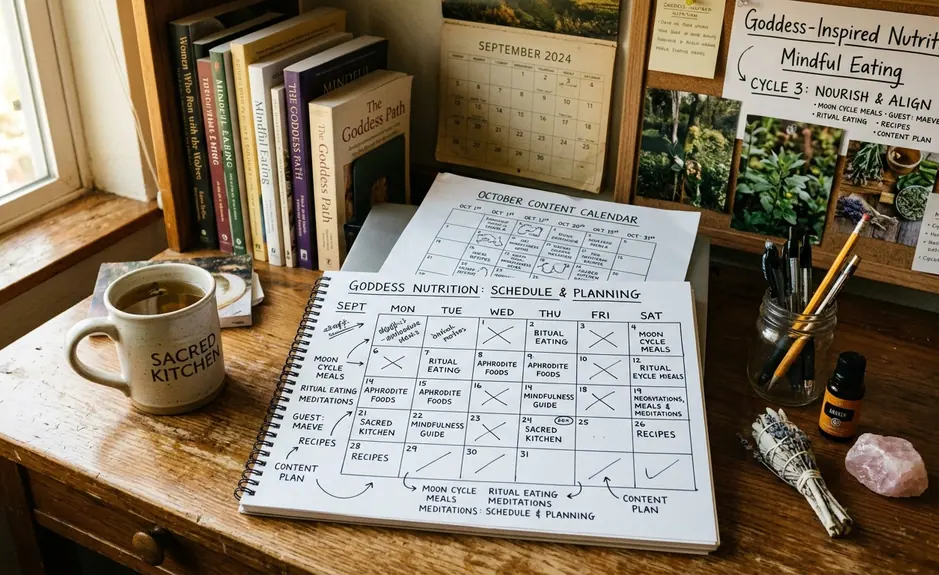
This template works beautifully if your body runs on a perfect 28-day clock. Biological reality is rarely that precise.
Context-dependent variation matters immensely here. A 24-day cycle and a 35-day cycle should not use the same day-14 switch unless ovulation signs confirm that timing. If your cycle is 24 to 26 days, expect the switch to the second seed pair earlier than day 15 if ovulation occurs earlier. Conversely, if your cycle is 31 to 35 days, continue flax and pumpkin until ovulation signs appear, then switch to sesame and sunflower for the remaining luteal days.
Relying strictly on a calendar can backfire. A person with an anovulatory cycle may not have a clear post-ovulation phase, so switching seeds on day 15 may create a tidy schedule without matching actual hormone timing. Once you have actual cycle data, shift from the calendar template to ovulation-based timing.
Preparing and Storing the Seeds
How you handle your seeds dictates how much nutrition you actually absorb. Using whole flaxseed without grinding can reduce practical usefulness because intact seeds may pass through digestion with limited breakdown.
Grinding must be placed inside your daily routine. Pre-ground seeds oxidize faster after exposure to air and light, losing their delicate fatty acids. Grind only the day's portion, which is 1 to 2 tablespoons total.
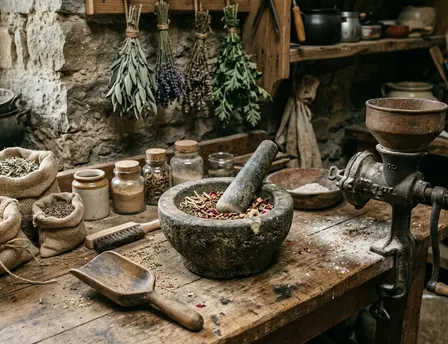
Use a clean blade coffee grinder, a dedicated spice grinder, or a mortar and pestle reserved strictly for dry foods. You do not want your morning flax tasting like last night's cumin.
Proper storage protects your investment. Keep whole seeds in airtight glass or metal containers tucked away in a cool, dark cupboard. If you accidentally grind extra, immediately refrigerate or freeze the leftovers. Always trust your nose before adding seeds to your meal. Discard any seeds that smell paint-like, bitter, musty, or rancid.
Adding Seeds to Everyday Meals
Meal placement dictates habit survival. Add seeds to foods you already eat at breakfast or lunch rather than creating a separate, tedious supplement ritual. Soft or moist foods work best because they absorb the dry texture of the ground seeds.
For breakfast, stir your ground seeds into oatmeal after cooking. They also blend seamlessly into yogurt, chia pudding, or a morning smoothie. If you prefer savory applications at lunch and dinner, sprinkle the ground seeds over lentil bowls, grain bowls, or roasted vegetables. You can stir them into soups just after serving, or toss them into salads dressed with olive oil.
Field Note: Pair your seeds with fat-containing foods such as yogurt, tahini, avocado, olive oil, nuts, or eggs. This combination keeps the meal satisfying and supports the absorption of fat-soluble nutrients.
You must increase your fluid intake when adding ground seeds to your diet. This is especially true for flax. The high fiber content can worsen constipation if your total daily fluids are low.
Tracking Results and Making Adjustments
Evaluation is best delayed until a clear pattern emerges. The first month establishes the physical habit of grinding and eating the seeds. Your second month checks whether the timing and schedule are realistic. By the third month you have enough repeated entries to compare symptoms accurately.
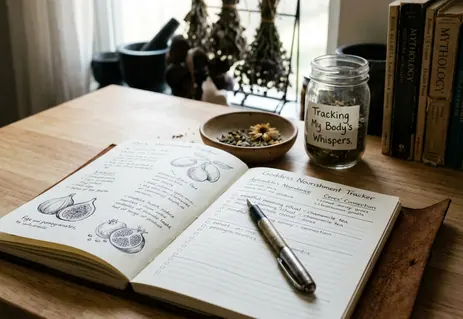
Track for three complete cycles before judging usefulness. Record your cycle day 1, your suspected ovulation day, the seed pair used, and the daily amount. Pay close attention to secondary indicators: bowel changes, breast tenderness, cramps, mood shifts, sleep quality, and acne flares.
While long-term tracking demonstrates general improvements in cycle regularity, individual metabolic responses vary significantly based on baseline gut health. If bloating, loose stool, or constipation appears within the first week or so of starting the routine, reduce your intake to 1 teaspoon daily. Increase the amount gradually over the next cycle as your digestive tract adapts to the fiber.
If your cycles vary by more than a week from month to month, abandon the fixed day-14 switch entirely. Use ovulation signs or testing strips to guide your transition between seed pairs.
Important: Seed cycling is a supportive nutritional habit, not a medical intervention. It is not a substitute for medical care if cycles stop for 90 days or longer, bleeding is unusually heavy, or pelvic pain is severe. Always consult a professional if a diagnosed endocrine condition such as PCOS, thyroid disease, endometriosis, or hypothalamic amenorrhea is involved.
Seed Cycling Setup Checklist
Before you begin your first cycle, ensure you have the right tools and ingredients ready:
- Buy raw or dry-roasted unsalted flaxseed, pumpkin seed, sesame seed, and sunflower seed.
- Choose a grinder or mortar used only for clean dry foods.
- Mark menstrual day 1 as the first day of real flow on your calendar or tracking app.
- Commit to tracking your daily symptoms for at least three full cycles.