The Bottle Stayed Cold; the Plate Came First
Early morning light hits the refrigerator door as Maya reaches for the cold-pressed green juice waiting on the middle shelf. Her fingers wrap around the chilled glass, condensation slick against her palm, before she pauses and sets the unopened bottle right back into the door rack. Five minutes later, she sits at the small wooden table with a warm ceramic plate holding soft scrambled eggs, a thick slice of buttered whole-grain toast, and halved figs.
Right beside that first forkful sits a quiet decision. Three things matter at this table: a meal she will actually finish, a morning ritual she can repeat tomorrow, and zero shame for having tried bottled cleanses in the past. The fresh start has moved from a purchased bottle to ordinary food eaten on purpose.
Kitchen rituals often begin the moment a person stops outsourcing their morning energy to a label. Many women arrive at mindful eating after seasons of rigid liquid schedules that promised renewal and delivered mid-morning exhaustion. When the focus turns toward nourishment that honors the body, the humble skillet does far more heavy lifting than a three-day juice box ever could.
What the Bottle Promised on a Hungry Morning
Every cleanse brochure in Maya's recycling bin spoke the same dialect. The labels offered three distinct pledges: flush toxins, reset digestion, and earn a lighter week. Stepping back from the marketing language to look at what actually happened in an ordinary kitchen tells a very different story, one that requires no scolding for anyone who still enjoys a juice day now and then.
The promise to flush toxins never came with an observable household measure. Drinking cold celery and cucumber blends at seven in the morning gave Maya nothing concrete to point to by evening, aside from a stack of rinsed bottles and a chilly stomach. A household kitchen has no gauge for abstract purification, only the steady feedback of how a person feels while answering emails or climbing stairs.
The pledge to reset digestion followed a similar arc. Whatever quietness settled over her stomach during a liquid day vanished the moment regular meals returned. Digestion responds to what arrives on the fork today; temporarily withholding solid food simply paused the conversation with her gut rather than teaching it a calmer rhythm.
Then came the promise of a lighter week. In practice, that lightness felt like sharp hunger returning by noon and an afternoon energy that felt borrowed rather than fed. Clock-watching until the next bottle turned the morning into an endurance test.
Morning Fuel Check: A cleanse takes food away from the body's busiest hours; breakfast adds protein, fiber, and warmth the morning can immediately put to work.
Locating real steadiness means looking at the ingredients themselves. Protein waits in a pair of eggs or a generous scoop of plain yogurt. Fiber lives in oats, whole-grain toast, fresh fruit, and leafy greens. Putting those elements onto a dish gives the digestive tract work it recognizes and fuel that stays past midday.
A Plate That Feels Like a Reset
Building a breakfast that carries the emotional clarity of a fresh start requires no complicated recipes. The breakfast reset breaks into three visible jobs: toast supplies warmth, eggs supply protein, and fruit or greens bring fiber and color. Grouping the meal into these three roles turns sleepy morning decisions into an easy, grounding sequence.
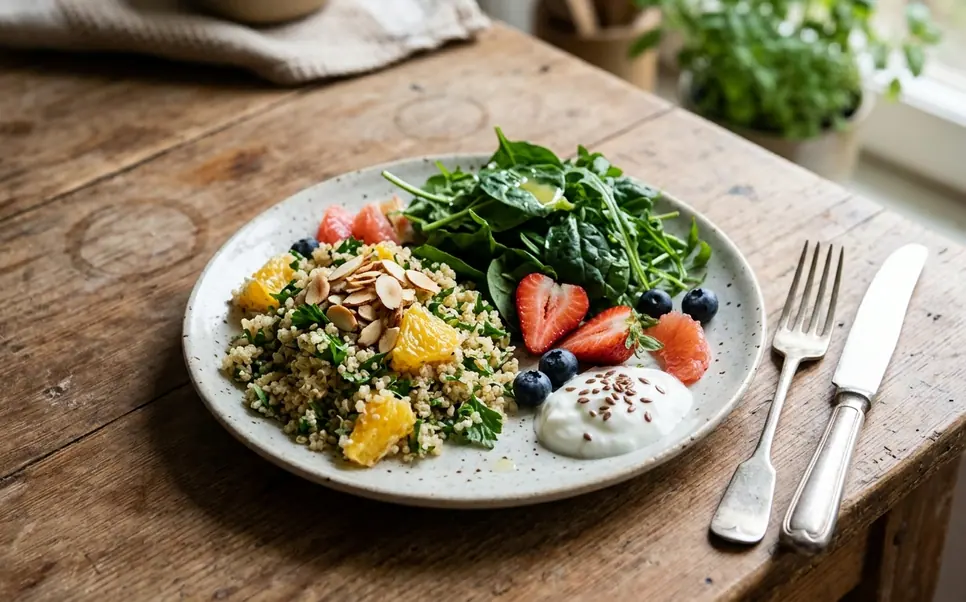
Three Components on the Counter
When a kitchen already holds basic staples, assembling the plate takes only a brief stretch at the stove. Two simple templates cover almost any weekday mood:
- The Savory Skillet (6–10 minutes): Drop a slice of whole-grain bread into the toaster while two eggs gently scramble in a warm pan with a little butter or olive oil. Plate the eggs beside the toast and add a handful of greens or sliced figs already waiting in the kitchen.
- The Warm Grain Bowl (5–8 minutes): Simmer quick-cooking oats according to the package directions. Spoon them into a favorite ceramic bowl and top with a swirl of plain yogurt, seasonal fruit such as fresh berries or chopped apple, and a scatter of toasted nuts.
These components work as a flexible template rather than a rigid menu, so anyone can swap the eggs, dairy, nuts, or grains to fit individual food allergies and dietary needs. The cooking interval itself becomes the practical replacement for the old habit of shaking a bottle and rushing out the door.
Pacing the First Few Bites
How the food enters the morning matters just as much as what lands in the pan. Once the plate touches the table, sit down and set the phone aside for the first 3–5 minutes. That short window without notifications is an invitation to notice the steam and the seasoning, never a strict timer dictating how long the meal must last. Eat until genuinely satisfied rather than stopping because a pre-measured container has run dry.
Goddess-inspired nutrition treats the morning meal as an act of care. Season the eggs with flaky salt and torn herbs, smear real butter onto the warm grain, and serve the meal on a ceramic plate or bowl you already own and love. Mindful sourcing fits naturally here too: buying oats in a larger bulk package and stretching one bunch of greens or a basket of fruit across several meals honors both the household budget and the earth, with zero single-use plastic bottles left behind.
The Same Reset on an Ordinary Tuesday
A Sunday morning feast is easy to romanticize, while a rainy Tuesday with a crowded calendar tests whether a wellness habit has real roots. Keeping the plate at the center of the week comes down to one calm grocery run and a tiny evening gesture that saves your future self from morning friction.
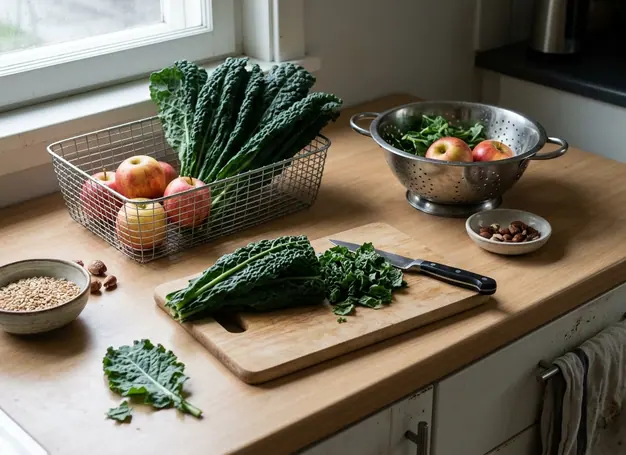
A Five-Morning Pantry Plan
Shop once for a five-weekday breakfast stretch built around resilient staples: a carton of eggs, a bag of rolled oats, whole fruit like apples or pears, a sturdy loaf of bread, and a bag of frozen greens. Fresh spinach wilts if plans change mid-week, and bakery loaves go stale on the counter; keeping frozen greens in the freezer and storing sliced bread frozen in portions ensures that Wednesday and Friday mornings have the exact same foundation as Monday.
- Spend 3–5 minutes the night before: Pick just one small task before turning off the kitchen light—wash a handful of fruit, measure dry oats into a pot, or move a portion of frozen bread into the refrigerator to thaw.
- Keep cold prep safe: When mixing overnight oats for a busy morning, cover the bowl or jar tightly and refrigerate it overnight rather than leaving soaked grains out on the counter.
- Protect the physical cue: Leave the same ceramic plate near the stove and keep the same chair clear at the table so your half-awake brain has zero logistics to solve at dawn.
Room for Imperfection
Nobody needs to sign a pledge swearing off green juice forever. The green bottle remains unopened in the fridge door; this kitchen scene offers a repeatable breakfast, not a rule forbidding juice. If a warm spring afternoon makes a cold pressed blend sound refreshing, drink it alongside your day. When the goal is a steady morning reset, however, the repeatable sequence, taking out the same plate, sitting in the same seat, and beginning with one warm, savory bite, delivers the grounded feeling the bottle only hinted at.
Tomorrow's Pan, Already Warm
Sunlight reaches the edge of the cutting board the next morning. In the same small skillet, two eggs have just set into soft curds, a slice of toasted sourdough rests on the wood, and the green bottle still sits unopened in the refrigerator door. You pull out the familiar chair, lift a forkful of warm egg and buttered crust, and take three quiet bites before the day begins.