What a Bad Packaging Swap Costs You Each Week
Three moves reduce household packaging without disrupting your weekly routine: return bottles you will actually bring back, refill pantry staples you already eat, and reuse containers you already own. Anything that requires a second store, a matching set of new jars, or an unfamiliar food you might not finish is an optional project. Until those first three habits fit your current shopping route and refrigerator space, extra hardware only crowds the kitchen.
A mismatched packaging swap quietly taxes a household. Take a shopper like Elena, who wanted to bring more mindful sourcing into her weekly routine. She drove across town to a specialty refillery, bought matching glass canisters, and came home with unfamiliar grains. By Friday, her receipt was higher, her Saturday morning had vanished into a second errand, and the perishable produce she bought alongside the grains was spoiling in an overcrowded crisper. The usual plastic film, cereal boxes, and beverage bottles from her regular grocer still filled her bin.
Real kitchen rituals start with the food already scheduled for the next one to seven days. Look at the meals, drinks, and staples on your counter right now. When you evaluate a swap, record the shelf price and any refundable bottle deposit separately on your budget sheet; a deposit raises the checkout total immediately even though you recover the money later. Packaging drops when a container returns to circulation, gets refilled from a bin, or replaces a disposable wrap you were about to buy.
Returnable Bottles That Earn the Trip Back
Beverages already sitting on the weekly list offer the simplest entry into a circular system. Milk, kombucha, beer, and sparkling water often ship in thick glass where a local dairy, brewery, or grocer runs a deposit and wash-and-refill loop. Before paying the deposit at the register, confirm how the seller handles the glass. Some deposit laws collect containers purely for crushing and recycling, whereas a true refill loop washes the intact vessel and puts it back on the line.
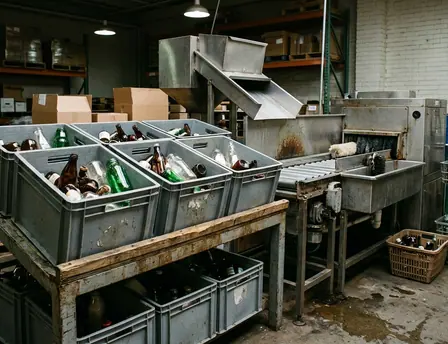
When a bottle is empty, rinse it and set it directly beside your reusable shopping bags for the next scheduled visit. Keep the return receipt or refund slip tucked into your grocery envelope so the deposit stays visible in your food budget rather than disappearing as an untracked fee.
The Cupboard Boundary
A deposit cuts waste only if the bottle re-enters the wash-and-refill loop. A deposit bottle parked beside the coffee mugs is household storage; it becomes circulating packaging again only when the accepted bottle reaches the seller's washing line. An unreturned bottle thrown into the household bin is simply heavier trash.
Bulk Staples Worth Scooping Into a Jar You Own
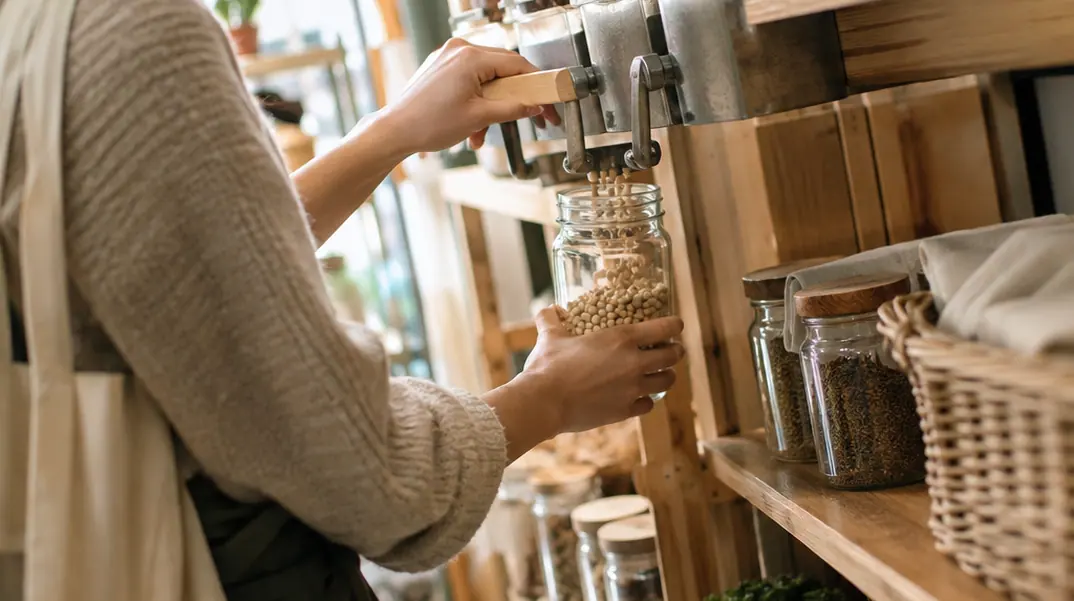
Long-pantry foods anchor a reliable bulk strategy because they support everyday nutrition and seasonal eating without racing the clock. Focus the scoop on dry goods the household finishes steadily:
- Rolled oats and white or brown rice
- Dried beans and lentils
- Raw nuts and seeds
- Whole or ground spices
- Whole-bean coffee and loose-leaf tea
Before walking into the aisle, read your own pantry. Pick one familiar staple, name the specific meals that will use it over the coming weeks, and pull an existing clean jar or cloth bag sized for that exact amount. Buying a massive jar's worth of a once-a-year spice leaves dull flavors languishing on the shelf; bring a tiny jar and scoop only the recipe quantity where the store permits.

Container hygiene matters just as much as weight. Wash jars in hot soapy water and dry them thoroughly before adding dry goods. If a jar previously held raw meat or rancid oil, give it a complete sanitizing wash and sniff-test the lid—lingering food residue or rancid odors will ruin fresh nuts or oats. Keep food waste right beside packaging waste in your decision: food thrown out because it went stale cancels out the thin plastic bag you avoided at the bin.
Reuse Habits That Start in the Kitchen You Have
You do not need a specialty store to cut kitchen trash when the drawers at home already hold the gear. Inspect the bags and jars stacked in your cabinets, clean them, and assign each one a single job for the week ahead. Tuck a thin plastic produce bag from last week into your main grocery tote, fold a clean bread bag to receive a fresh bakery loaf, and set a wide-mouth pasta sauce jar on the counter to hold tonight's leftover soup instead of buying another carton of cling film.
Checking Containers for Safe Reuse
Check jar lids for cracks or rust and inspect storage tubs for old food residue. Cloth produce bags pick up soil and berry juice over time; wash stained cloth bags and dry them completely before refilling, though a harmless berry stain on clean fabric does not make a bag unsafe. Any container that held raw meat must stay strictly out of ready-to-eat food storage until it has been thoroughly washed and sanitized.
When shopping the perimeter, pair loose produce with a plan for the drive home. Skip the plastic bag for firm apples or oranges you will eat within days, and place delicate, easily bruised stone fruit or tomatoes right on top of heavier groceries in a protected corner of your tote. If loose berries or soft herbs will get crushed in the trunk and turn into kitchen compost by Tuesday, their protective clamshell is doing real work. Apply that same practical lens to center-aisle staples: a familiar store-brand pasta in a simple paperboard box along your normal route beats a specialty pouch from across town when the extra car trip is the real cost.
Low-Waste Looks That Still Fill the Bin
Shows household waste tracking across weekly grocery routines, packaging swaps fail most often when shoppers judge a container by its earthy appearance rather than the sequence of how it gets bought, carried home, and discarded. Before changing what goes into the cart, run a quick scope check on three common traps:
- The single-item detour: Driving across town for one bulk ingredient burns time and fuel while leaving the packaging on the rest of your weekly grocery cart unchanged.
- Unaccepted compostable plastics: A plant-based wrapper labeled compostable is still ordinary trash unless your local collection service explicitly lists that material on its accepted sheet. Anything tossed into a standard household bin goes to the landfill regardless of how the wrapper was made.
- Pre-buying zero-waste kits: Ordering a matching set of bamboo-lid jars adds newly manufactured material to your home before you have refilled a single ounce of food. Existing peanut butter and pickle jars need no extra purchase.
Skip the Unverified Math
Glass is never an automatic environmental victory—a shattered jar or a heavy bottle permanently parked on a pantry shelf has not completed a repeated use cycle. Avoid attaching a generic carbon-saving percentage or a universal break-even count to your grocery bags; evaluate only whether a container in your specific kitchen actually gets refilled or returned.
The One Item to Change Before You Shop Again
Pick one food you buy every single week and match it to a single action: return, refill, or reuse. Write that mechanical step directly beside the ingredient on your shopping list before you walk out the door, so you do not have to negotiate the choice under fluorescent aisle lights. Write "milk — bring two accepted empty bottles" or "rolled oats, bring clean quart jar and ask counter for tare." Place the empty bottle, folded bread sack, or clean jar right inside your canvas shopping bag the night before.
One Swap Per Trip
If your bottle return crate by the back door is already full, taking those empties back to the customer service desk is this week's entire low-waste project. Leave the bulk-bin spice experiment for a later grocery trip so the habit stays effortless.
A returnable glass bottle is still a full package at the cash register. The waste cut happens only when that exact bottle travels back to the seller, gets washed, and is filled again—because a bottle that stays in the cupboard is just storage, not a closed loop.