Three Seafood Purchases, Three Different Sourcing Stories
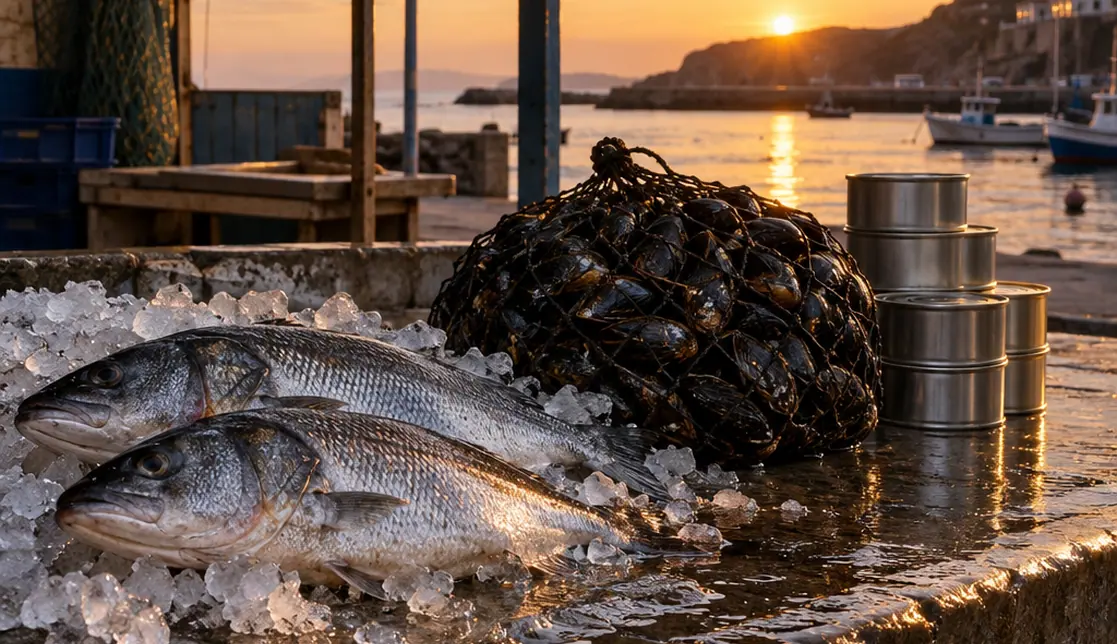
The shopping list holds three purchases: one local fish, a bag of farmed mussels, and canned seafood. Set them beside one another for a mindful-sourcing comparison. Each offers something useful; each asks the shopper to look at a different part of the food’s journey.
The more careful purchase is the one whose harvest method and stock health can be named. In this comparison, those details carry more weight than distance. Miles alone do not sort the fish, the mussels, and the tin into a dependable order.
The practical sequence is straightforward: ask how the seafood was caught or farmed, identify the species and harvest area, and check the relevant stock’s condition. Give a known method more weight than a nearby landing with an incomplete sourcing story.
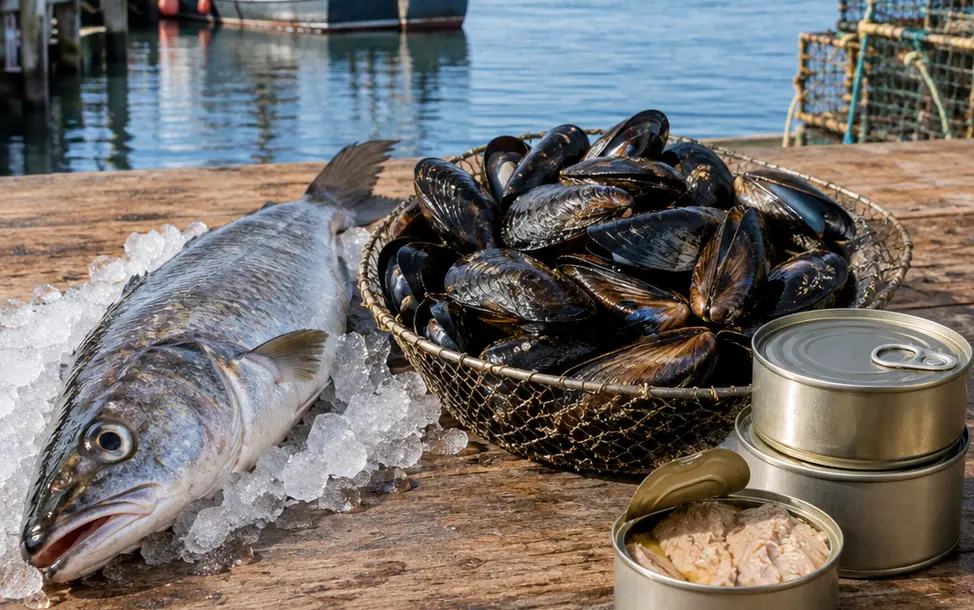
Each purchase begins with a different unanswered field. “Local” describes proximity while leaving gear and stock unnamed. Farmed mussels still need a farming method and location. A tin still needs a species and the fishery or farm behind it.
This is a useful discipline for intentional eating: separate what a label actually tells you from what its reassuring language invites you to assume. Keep the shopping decision small enough to finish at the counter, with enough detail to explain the choice afterward.
What the Fish, Mussels, and Tin Each Tell You
The Local Fish Offers Proximity
A nearby landing has practical value. The fish may travel through a shorter cold chain, and the seller may know the boat or the people who landed it. That access can make a sourcing conversation unusually direct.
Use it. Ask the seller to connect the fish in front of you to its species, harvest area, and gear. Trawl, dredge, gillnet, line, and trap describe different methods. Their effects depend on the fishery, including contact with habitat and unintended catch.
Keep those details together. A gear name becomes more useful when it belongs to a particular fishery; a nearby port becomes more informative when the seller can explain what arrived there. Seasonal eating can begin with the day’s landing, then follow that landing back to the water.
The Mussels Bring a Different Feed Question
Farmed mussels filter naturally occurring food from the water. They therefore raise a different feed question from many farmed finfish, which receive formulated feed. That biological distinction deserves attention when comparing seafood systems.
The next step is to identify how and where the mussels grow. Suspended ropes and seabed culture are distinct methods. Water quality, local growing conditions, and farm management belong in the same conversation.
For this counter comparison, take the bag whose seller identifies rope culture and names the farm and its growing area. Those details give the shopper a specific option to return to. The bag earns consideration through its sourcing description rather than through an automatic preference for mussels.
The Tin Preserves Food and Its Sourcing Questions
Canning preserves seafood; the species and fishery or farm remain relevant after processing. Read the tin for those details and for a named harvest method. A preservation format and a fishing method answer separate questions.
Then bring the household schedule into the decision. An unopened shelf-stable tin asks for less immediate commitment than a fresh fillet. It can help avoid waste when dinner plans shift, provided it is something the household will actually eat.
FDA consumer guidance recommends refrigerating seafood promptly and using it soon after purchase, or freezing it. That makes meal timing part of mindful sourcing. A fresh fish with a clear origin deserves a place on the menu that matches its storage needs; a tin can wait for a later meal.
Four Questions Before the Fish Gets Wrapped
Ask while the seafood is still on display and the wrapping paper is dry. Follow the same order across the fresh fish, mussels, and canned option so an appealing label does not change the standard halfway through.
- What gear or farming method was used? Listen for a concrete description such as rope-grown mussels, trap-caught fish, or pole-and-line tuna. Keep that description attached to the item you are considering.
- Which species and stock is this, and is that stock in decent shape? Retain the species name and harvest area. They let you connect the seller’s answer to the relevant population rather than treating every population of a species as interchangeable.
- Is it frozen, canned, or landed today, and will I eat it before it spoils? Match the purchase to the next meal you can realistically prepare. Include refrigeration or freezing in that plan.
- If those answers do not come, which option’s method is already known? Return to the specific choice already identified, such as the rope-grown mussels from the farm the seller named.
Make one focused check after the species and harvest area are clear: use the FishWatch species lookup to read the relevant stock-status and fishing-method information. Match the profile to the purchase using the details from the counter conversation. The word “local” cannot do that matching for you.
If the counter cannot name the gear or stock, stop hunting a perfect buy and take the option whose method is already known.
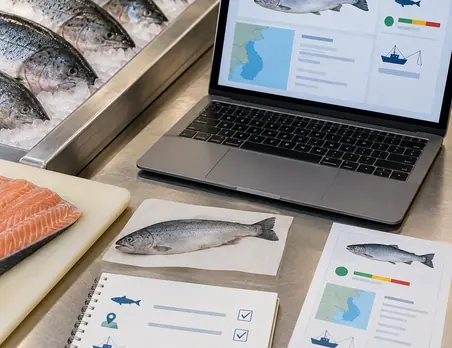
I would keep the resulting kitchen note brief: species, area, method, and the meal it belongs to. Those details turn a counter conversation into a repeatable shopping habit. They also keep nutrition and food waste in the same decision, close to the kitchen where both become practical.
The Rope-Grown Mussels Leave the Counter
The seller offers the local fish once more. Beside it, the mussels rest in their mesh bag, their rope-growing method and farm location already settled in the conversation.
“I’ll take the rope-grown mussels from the farm you named.”
The seller lifts the bag from the ice. You take it by the gathered mesh and head for the door, with tonight’s meal in hand.