Key Takeaways
The domestic hearth once supplied heat, cooked food, hot water, light, and a gathering point. A modern kitchen can recover that sense of focus without sacrificing a clear counter or an efficient dinner routine.
- Clear one working zone before introducing symbolic objects.
- Give the altar a defined footprint, such as a small tray or board.
- Choose four durable categories: warm light, water or flowers, salt or grain, and one frequently used cooking tool.
- Pause for 30–60 seconds before cooking.
- Reset the arrangement for 10 minutes each week and test its usefulness monthly.
What's Inside
- The household history behind the sacred hearth
- Why ordinary cooking already carries ritual meaning
- A practical method for clearing physical and energetic clutter
- Safe placement and arrangement for a working culinary altar
- Short kitchen rituals that fit a busy evening
- Weekly and monthly maintenance
Keep the Counter Working
A sacred kitchen starts with usable space. Protect the cutting area, washing path, and range before deciding where a candle, herb, or offering belongs.
When the Hearth Was the Heart of the House
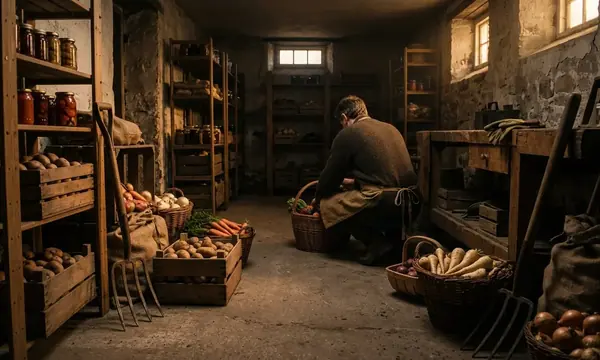
For much of domestic history, one maintained fire carried several responsibilities. It heated the room, cooked meals, warmed water, provided light, and drew household members toward a shared center. Fire demanded attention, which gave the hearth both practical authority and ritual weight.
Ancient Greek household religion associated Hestia with the hearth and household offerings. Roman tradition placed Vesta in a related domestic and civic relationship to maintained fire. These traditions differed across place and period, yet both treated the flame as more than equipment.
Readers can see the material demands of this arrangement in the National Park Service account of hearth and home in early American domestic life. Cooking over an open fire required fuel management, suitable vessels, bodily awareness, and constant judgment.
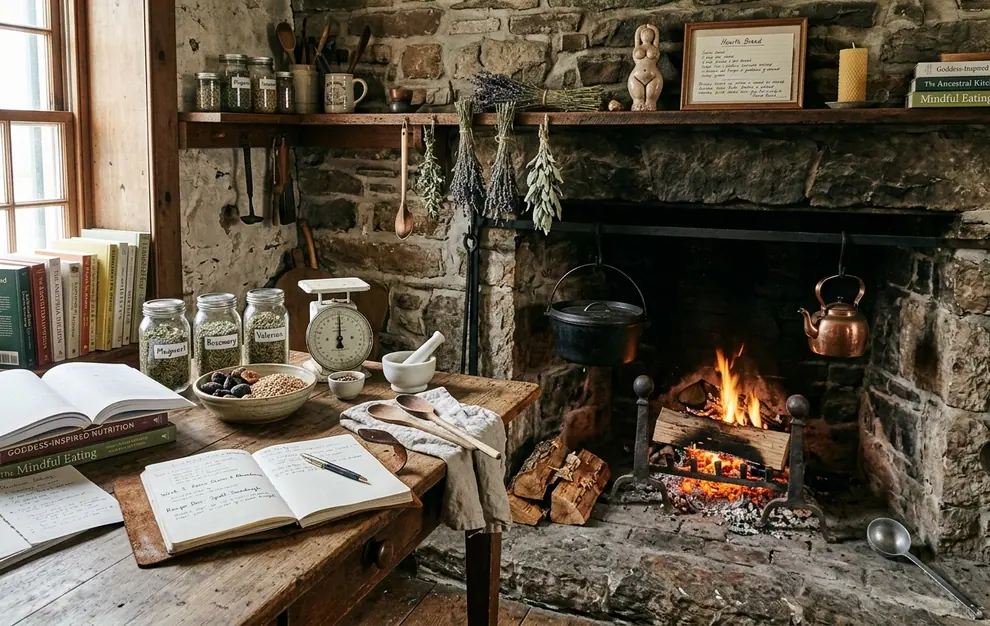
The physical arrangement changed sharply during the nineteenth and twentieth centuries. Across much of Europe and North America, the move from open-hearth cooking to enclosed stoves accelerated from the early 1800s through the late 1800s. Fitted kitchens and gas or electric ranges then spread unevenly from the 1920s through the 1950s.
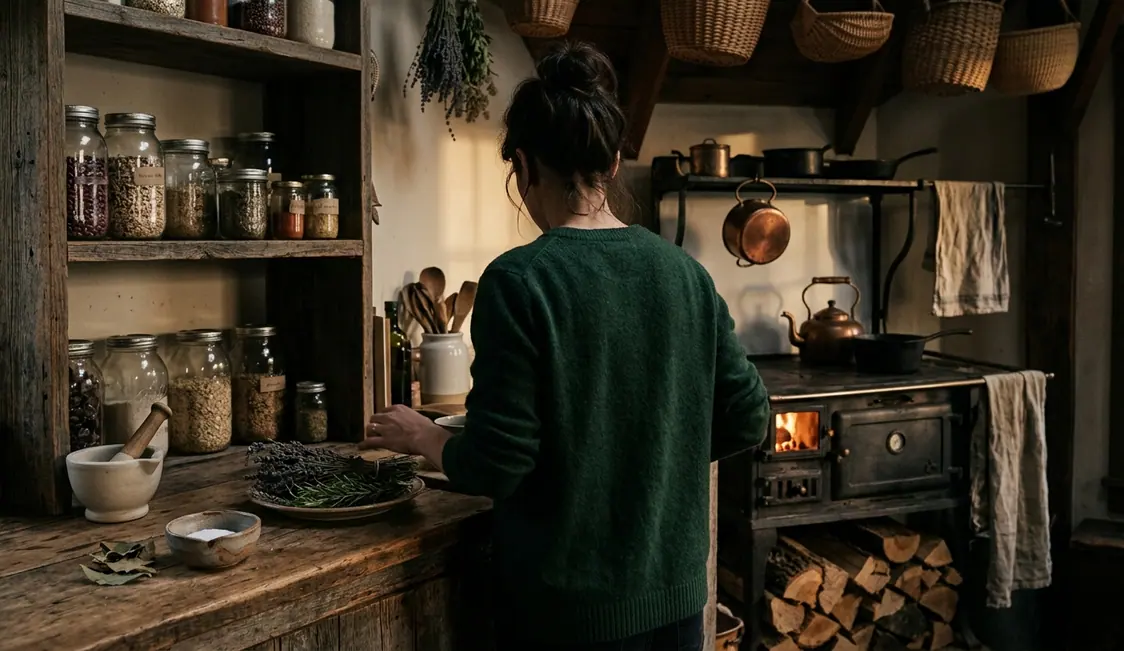
That shift moved cooking away from a shared flame and toward private counters, controlled burners, and specialized appliances. Ritual meaning thinned as the fire disappeared behind metal, switches, and pipes. The desire for warmth and focus remained.
Why Your Kitchen Already Wants to Be an Altar
A kitchen performs daily alchemy through ordinary actions. Water cleans and softens. Knives divide. Heat changes flavor and texture. Timing determines whether an ingredient becomes nourishment, waste, or tomorrow's useful leftover.
For women building wellness through nutrition, seasonal eating, and mindful sourcing, these transformations give intentional living a physical home. The practice begins wherever food becomes care: the counter where greens are washed, the stove where broth simmers, or the table where a meal is divided among people.
Attention Creates the Boundary
Sacred space combines focused attention with sensory warmth. Expensive décor contributes little when the cook must move objects before setting down a cutting board. A single warm light and a beloved wooden spoon can hold more meaning because both participate in real kitchen rituals.
Reserve one uninterrupted counter strip at least as wide as a standard cutting board, roughly 30 by 45 centimeters, for active preparation. In a rental or shared home, contain the altar on a tray around 20–30 centimeters across. It can then move in under a minute when another cook needs the surface.
Use Before Ornament
The strongest symbolic tool is often one already touched each week. A mortar, spoon, or knife rest gains meaning through repeated use rather than display alone.
Clear the Clutter Before You Consecrate Anything
Begin with the zone that interrupts dinner most often. It may be the counter beside the stove, a crowded oil shelf, or the corner where unopened mail lands beside produce.
A 15–25-Minute Physical Sweep
- Choose one section. Limit the first pass to a 60–90-centimeter stretch of counter or shelving.
- Empty it completely. Sort every item into keep, relocate, or release.
- Question the keep group. Protect tools used weekly. Move occasional equipment to a less valuable storage area.
- Wash and dry. Clean food-contact surfaces with warm water and dish detergent, then dry them fully before returning wood, grain, salt, paper labels, or electrical items.
- Repopulate slowly. Return only what supports cooking in that exact zone.
Packaged food requires a label-by-label check. A quality-oriented best-before date does not automatically mark a safety deadline. Food carrying a use-by date should follow local food-safety guidance. Broken tools, leaking containers, and food with visible spoilage belong in the release group.
Energetic Clutter Has a Physical Form
Unfinished tasks create visual pressure: the jar waiting to be washed, the appliance awaiting repair, or the wilted herb kept out of guilt. Neglected corners quietly compete with dinner for attention.
One case appears often in working kitchens. A fruit bowl begins as a symbol of abundance, then sits beyond the food's edible life. Insects arrive, juice leaks onto the base, and the focal point becomes a sanitation task. Edible offerings need to remain part of the meal plan.
For a smoke-free sensory reset, citrus peel or sturdy herbs may simmer in water for 10–20 minutes. Monitor the pot and its water level throughout.
Flame-Free Reset
Open flame and smoke are unsuitable where leases, building rules, poor ventilation, respiratory sensitivity, children, pets, or nearby combustibles create risk. Use a steady battery-powered warm light, and never leave a candle or simmering pot unattended.
Build a Culinary Altar That Fits a Working Kitchen
Watch one normal cooking session before choosing the location. Note where sink water lands, where pan handles travel, where grocery bags arrive, and which surfaces receive hot dishes. The stable spot usually reveals itself after dinner rather than before it.
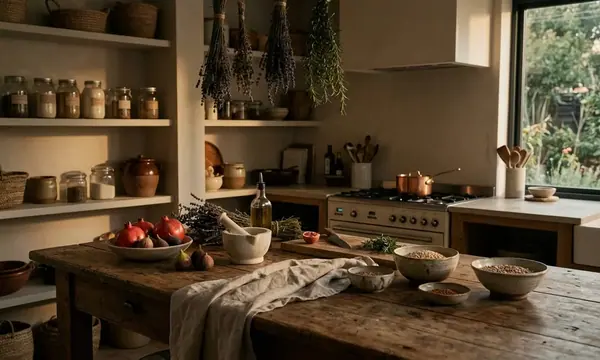
A shelf edge, windowsill, tray on a side counter, or the top of a low cabinet can work. Keep the arrangement away from active burners and sink splash. A wide side counter may hold flowers, grain, and a candle holder; a shared galley kitchen usually benefits from sealed vessels, an electric light, and a movable tray stored between meals.
Choose the Core Elements
- Warm light: a small flame source where safe, or a steady electric light.
- Water or flowers: a small vessel that introduces freshness and reflection.
- Salt or grain: a shallow bowl or lidded container representing food in its elemental form.
- A living herb: choose one that can enter actual meals.
- A loved tool: a wooden spoon, mortar, knife rest, or similarly useful object.

Arrange for Calm and Access
A compact arrangement can fit on a 20-by-30-centimeter board. Place the light at the back, a small water or flower vessel to one side, and salt or grain to the other. Set a spoon or knife rest across the front. Vary the height, favor natural materials, and leave enough empty space for the eye to rest.
Keep a burning candle at least 30 centimeters from towels, paper, curtains, wooden utensils, dried plants, and other materials that can ignite. Use an LED light on a narrow windowsill or near fabric.
Refresh uncovered water every 24–48 hours. Remove produce at the first sign of leaking or mold, and use a lidded grain vessel where pantry pests are a concern. After settling the arrangement, photograph it directly from the front and save the image in a household reference album. The picture lets you restore the setup in a couple of minutes after cleaning.
Infuse Cooking With Intention Without Slowing Dinner
Attach intention to actions already present in the meal. This approach keeps the ritual close to food, nutrition, and care rather than creating a separate ceremony that competes with them.
The Opening Pause
- Place one hand on the counter.
- Name the people who will eat.
- Notice one smell and one source of light.
- Take one unforced breath.
The sequence takes 30–60 seconds. On a compressed night, reduce it to 10–15 seconds: take one breath and make one deliberate choice, such as using an herb before it wilts or adding a nourishing leftover to the meal.
Carry Intention Into Prep
Washing produce can mark the rinsing away of the day. Seasoning can carry a spoken wish for steadiness, warmth, or joy. These gestures remain grounded because each one completes a necessary cooking task.
Sound also shapes pace. Lower background noise when the household allows it. For the first few knife cuts, slow down enough to establish a controlled grip and consistent rhythm, then return to the speed dinner requires.
A simple evening flow has five steps: set out a scrap bowl, switch on or light the altar light, prepare the meal, plate the food, then check the burners and extinguish the flame. The final check closes the kitchen ritual while serving a clear safety purpose.
Keep the Practice Alive Week After Week
Maintenance works best when attached to a household cue, such as meal-prep day or the evening before waste collection. Inspiration becomes unnecessary once the reset has a regular place in the week.
The 10-Minute Weekly Reset
- First 3 minutes: remove the objects and sort anything displaced, wilted, empty, or ready to be eaten.
- Next 3 minutes: wash and fully dry the base.
- Final 4 minutes: refresh the water or flowers, restock salt or grain, and restore the arrangement.
Tender cut herbs often need attention within several days. A healthy potted culinary herb should be harvested according to its growth instead of being treated as permanent decoration.
Run the Monthly Function Test
Every four or five weeks, ask whether each object still supports real cooking. An item that blocks chopping, catches grease, or repeatedly moves during plating has lost its place. Relocate it or release it.
Sacred does not mean fragile. Children, partners, and roommates can share the space under simple rules: return the tray after use, keep food fresh, protect the preparation zone, and switch off the light when closing the kitchen.
During a chaotic stretch lasting several days or weeks, reduce the altar to one washable object and one electric light. The visual cue survives while the maintenance burden falls.
Your Hearth, Your Next Move
The old hearth placed food, warmth, and daily care at the household center. A contemporary culinary altar restores that focus through a smaller sequence: clear one obstruction, define a stable footprint, place one deliberate object, and bring attention back to the meal.
Make the first change in one 15–25-minute session and keep the initial arrangement no larger than a small tray. Live with it through a handful of cooking sessions before adding anything. Repeated interference with chopping, cleaning, or plating signals that the placement should change.
Which single obstruction will you clear, and what meaningful object will take its place?